

En esta noticia
Phoebe Gates, daughter of billionaire Bill Gates, became the center of a scandal after her online shopping company, Phia, was accused of using a practice known as “cookie stuffing” to claim sales it did not generate. The scheme, described by specialists as electronic fraud, carries penalties of up to 20 years in prison under U.S. law.
Gates, who on her podcast had spoken about her desire to prove that she could succeed without her father’s help, co-founded Phia with Sophia Kianni in 2023. According to a Bloomberg investigation, both knew about the disputed practice since December 2025.

What is “cookie stuffing” and what is Phoebe Gates’ company accused of?
“Cookie stuffing” is a digital technique that causes a system to claim credit —and payment— for an online sale that it did not actually help complete. It is as if a salesperson were paid commission for a customer they never served.
Phia is a browser extension and an app that helps find discount codes when checking out at online stores and charges commission when its service is involved in the purchase.
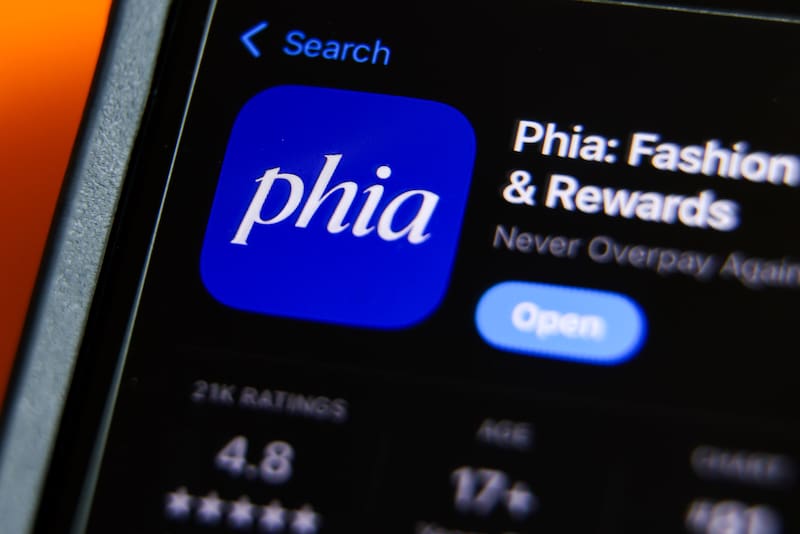
According to the same investigation, internal messages would have estimated that in June 2026 about 51% of the value of sales attributed to Phia came from this technique. The company said it had already taken corrective measures:
- Removal of the questioned features since July 7.
- Review of every recorded transaction.
- Reversal of payments to brands affected by incorrect attributions.
- Hiring of a compliance chief.
What legal consequences could Phoebe Gates face over “cookie stuffing”?
Corporate law specialists explain that this practice is usually classified as federal electronic fraud in the United States, a crime that carries penalties of up to 20 years in prison, in addition to fines and restitution. So far, no formal charges have been reported against Gates or Kianni in this specific case.

In previous “cookie stuffing” cases, U.S. courts imposed sentences ranging from five to fifteen months in prison, with fines of up to $25,000. A federal prosecutor stressed in an official statement that this type of fraud ends up making products more expensive, because companies pass those costs on in their prices.