
En esta noticia
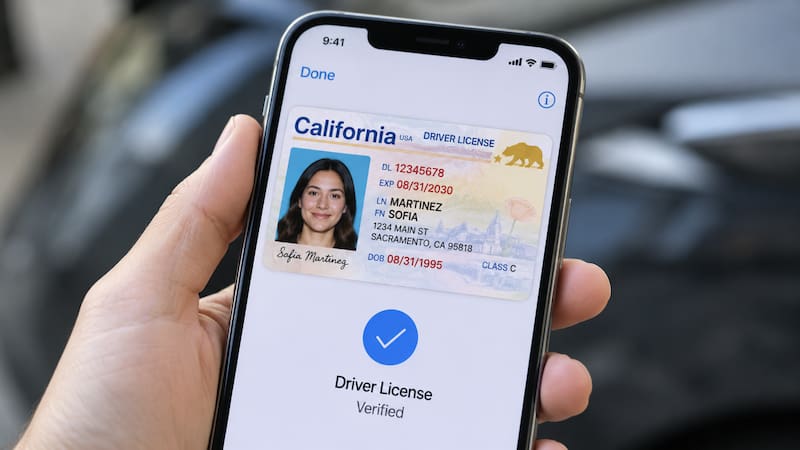
California’s Department of Motor Vehicles has already implemented a digital driver’s license as a new option to carry on smartphones.
A law signed by Governor Gavin Newsom in July 2026 expanded access to the state’s mobile driver’s license program, allowing more residents to add their credentials to a digital wallet.
However, the digital version does not replace the physical driver’s license. The California DMV requires participants to keep their physical cards with them, even if they have already downloaded the mobile version.

What changed with California’s new driver’s license law?
On July 13, 2026, Newsom signed Senate Bill 169 (SB 169), which increased the participation limit for California’s Mobile Driver License Pilot Program from 15% to 60% of the state’s licensed drivers.
The expansion makes the digital identification option available to millions more Californians. The program is voluntary and allows participants to access a digital version of their driver’s license or state identification card through their smartphones.
The mobile driver’s license is free, but participation remains subject to the program’s enrollment limit.
How can California drivers get a digital driver’s license?
Residents who want to join the program can download the CA DMV Wallet app from the Apple App Store or Google Play. They must then sign in to their MyDMV account or create one and follow the instructions to verify their identity.
The process requires users to scan their physical driver’s license or identification card. Once approved, they can access their mobile credentials through the DMV Wallet app or add them to Apple Wallet, Google Wallet, or Samsung Wallet.

The mobile version can be used at participating TSA airport security checkpoints, select retail locations for age verification, and certain online government services. However, not every agency, business, or law enforcement authority accepts digital identification.