

En esta noticia
Millions of drivers in the United States face new regulations to renew their driver’s license, especially those who are over 65 years old.
The Department of Transportation announced a historic change in road safety regulations aimed at improving the prevention of accidents involving older adults.

Alert drivers: there will no longer be automatic renewal for those over 65
The most significant measure is the elimination of automatic renewal for older adults.
From now on, those over 65 will have to pass a series of mandatory exams to renew their license, including:
- Vision test
- Cognitive assessment
- Driving practical test
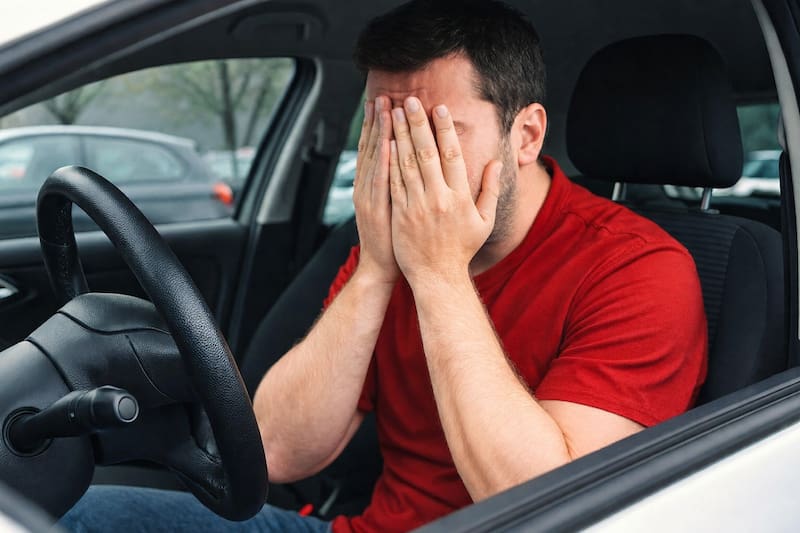
The change responds to a concerning increase in the involvement of older adults in fatal accidents. According to data from the National Highway Traffic Safety Administration (NHTSA), in 2023, 13.7% of drivers involved in fatal crashes were over 65 years old. In 2024, that percentage rose to 14.7%, prompting an urgent review of license renewal policies.
What the law says in California, Texas, and Florida
Although the regulation will be nationwide, some states will adopt differentiated criteria:
- California will require vision tests from age 70.
- In Florida, evaluations will be mandatory starting at 80 years old.
- In Texas, the requirement begins at age 79, depending on the decision of the Department of Motor Vehicles (DMV).

How often will a driver’s license need to be renewed in the U.S.?
The renewal frequency will be gradual depending on age:
- Ages 70 to 80: renewal every 4 years with a vision test.
- Ages 81 to 86: renewal every 2 years with a vision assessment and cognitive test if there are signs of impairment.
- From age 87: annual renewal with a mandatory practical test.
In addition, anyone — whether a doctor, family member, or neighbor — will be able to notify the DMV if they believe a driver poses a risk behind the wheel.
The tests may be taken with glasses or contact lenses
Older adults may take the vision tests with their usual glasses, which will make it possible to detect conditions such as cataracts, glaucoma, or loss of visual sharpness that could compromise driving safety.