
En esta noticia
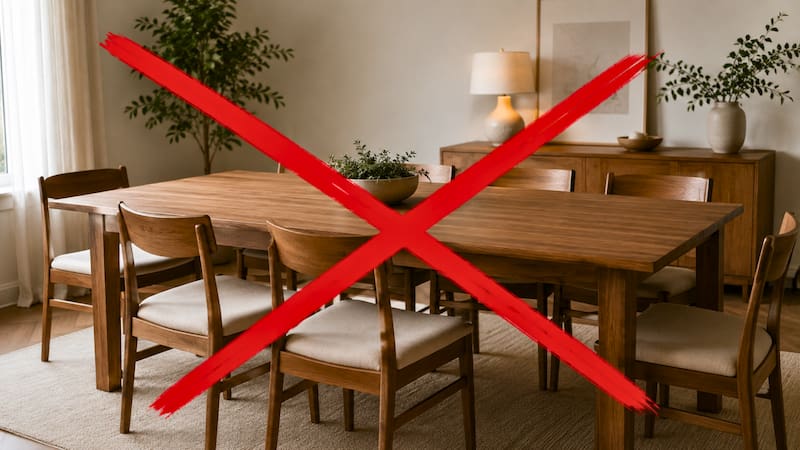
In 2026, the classic dining table is beginning to lose prominence in favor of more practical, versatile options adapted to today’s lifestyle.
The transformation responds to a deep shift in the way spaces are lived in: fewer large pieces of furniture, more functionality, and rooms that adapt to multiple uses.

Why the traditional table is disappearing from modern homes
Interior design has evolved alongside new needs. Today, homes—especially in big cities—have fewer square meters and demand smart solutions to make the most of every corner.
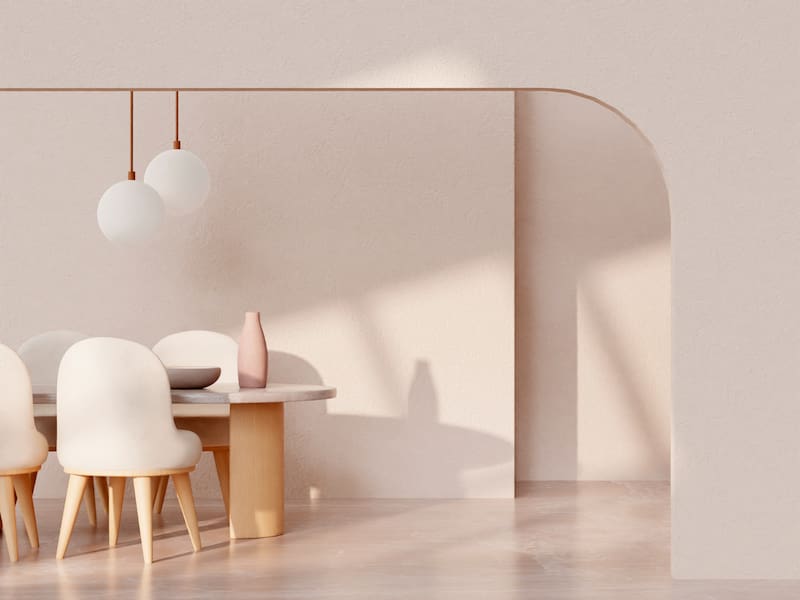
In that context, large dining tables have stopped being a priority. Specialists in interior design explain that the rise of minimalism, combined with the trend toward open-plan spaces, has driven a decisive shift: now people are looking for furniture that serves several functions and creates a sense of spaciousness.
The idea is no longer to fill the space, but to make it more flexible, comfortable, and visually harmonious.
What furniture is replacing the classic dining table
The option that has gained the most ground is the integrated kitchen island, an element that combines design and functionality. It serves as a place to eat, work from home, host casual gatherings, or even add storage capacity.
But it’s not the only alternative. Modular and mobile options are also advancing, ideal for adapting the space to each moment.
Among the new favorite options are:
- Multi-purpose kitchen islands, which combine dining and work space.
- Breakfast bars, perfect for small spaces.
- Foldable or extendable tables, which can be put away when not in use.
- Modular furniture, which makes it easy to reorganize the space.
- Benches with internal storage, a doubly functional solution.

The new style dominating decor in 2026
The change is not limited to furniture. A new aesthetic based on warmth and naturalness is also taking hold.
Cool tones are beginning to disappear, and colors such as terracotta, beige, sand, olive green, and soft browns are taking center stage. Added to that are noble materials like natural wood, linen, wool, and handmade ceramics.
In addition, the so-called “quiet luxury” is establishing itself as one of the year’s major trends: elegant, simple, and functional spaces where quality replaces decorative excess.