En esta noticia
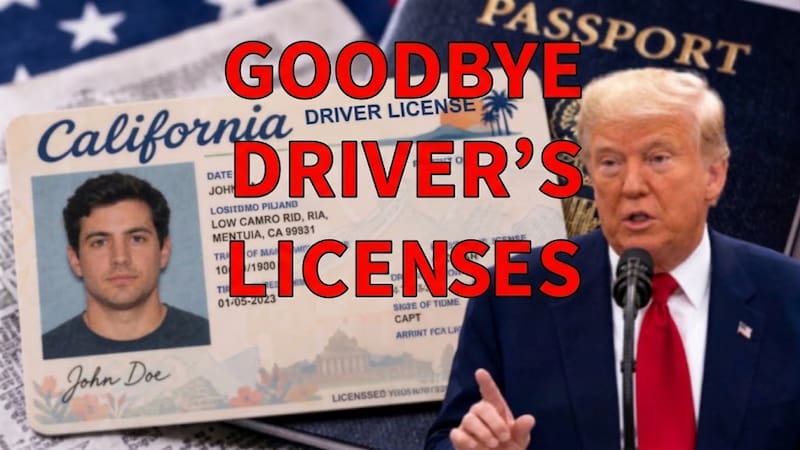
The governments of California, Florida, Texas, New York and Illinois —which include Los Angeles, Miami, Dallas, New York and Chicago— tightened the requirements to process a driver’s license under the REAL ID law. Those who do not present a birth certificate or a valid passport to prove their identity will not be able to access that updated version of the document.
The requirement stems from the REAL ID Act, a federal law that sets higher security standards for state licenses and identification cards. Each state defines the process and the documentation needed to obtain the version of the license.

Does this measure prohibit getting a driver’s license?
No. Those who do not present those documents can still obtain a regular driver’s license without REAL ID certification. Each state keeps that option available for those who prefer not to update their identification.
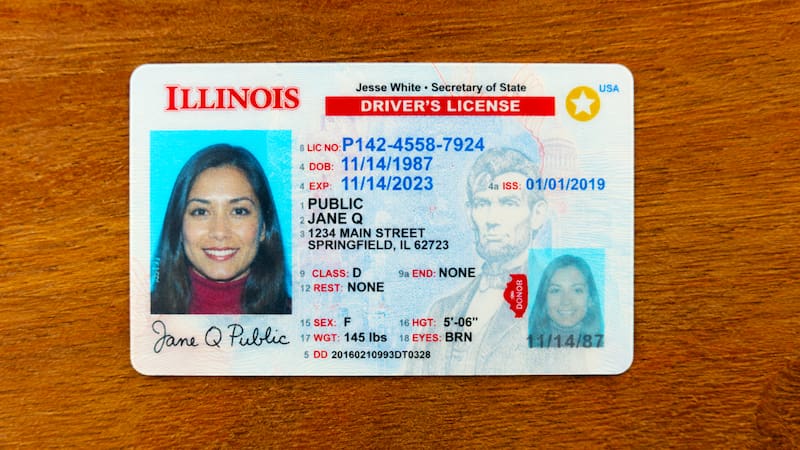
The difference lies in its use. Without the version with the gold star in the upper right corner, the license is not valid for boarding domestic flights or entering federal buildings or military installations. For all other everyday procedures, the document remains valid.
The documents that each state usually accepts to prove identity are:
- U.S. birth certificate
- Valid United States passport
- Permanent Resident Card (Green Card), for noncitizens
What should drivers do in these cities?
Those who do not have a REAL ID license can still fly within the country: it is enough to present a passport or another document accepted by the TSA. Without any of those papers, there is the TSA ConfirmID program, which is paid and valid for ten days from the date of the flight.
That verification process costs US$45, and it is advisable to pay it in advance to avoid delays at the airport. To update the license to the REAL ID version, each driver must consult the official website of their state’s transit agency.