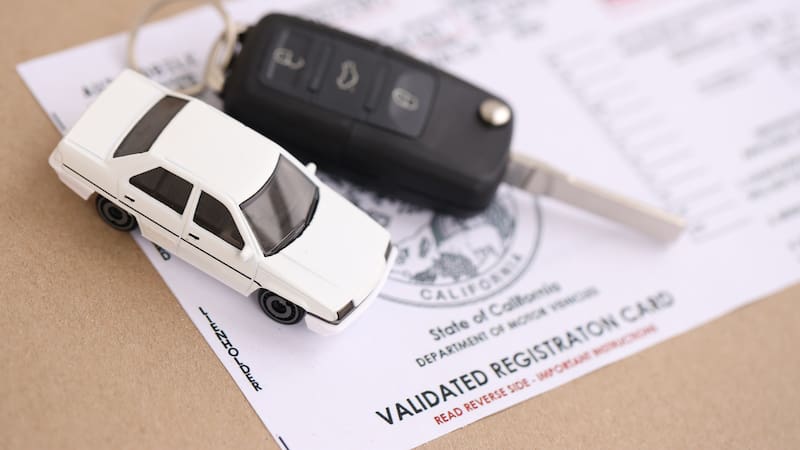

En esta noticia
The Automobile Industry Registration Procedures Manual of the California Department of Motor Vehicles (DMV) states in Chapter 18 the conditions and procedures applicable to lien sales.
Although this is not an automatic process, there are different situations in which a person, a company, or the DMV itself may proceed with the sale of a vehicle to recover an outstanding debt associated with the car.

What happens in California when a driver has outstanding debts with the DMV?
Certain unpaid debts associated with the vehicle constitute a lien in favor of the DMV. This means that the amount owed is linked to the vehicle and can be used by the agency to demand payment.
If the debt remains unpaid, the DMV may seize and sell the vehicle to recover the amounts owed, as established by the California Vehicle Code. This measure may be used only in certain cases provided for by the regulations.
What type of debts can have this consequence, according to the Vehicle Code?
According to the DMV, there are five types of unpaid obligations that can result in a lien on the vehicle:
- Registration debts.
- Vehicle license debts.
- Transfer debts.
- Unpaid parking fines.
- Use tax.
In these situations, the DMV may use the vehicle to try to recover the amounts owed.
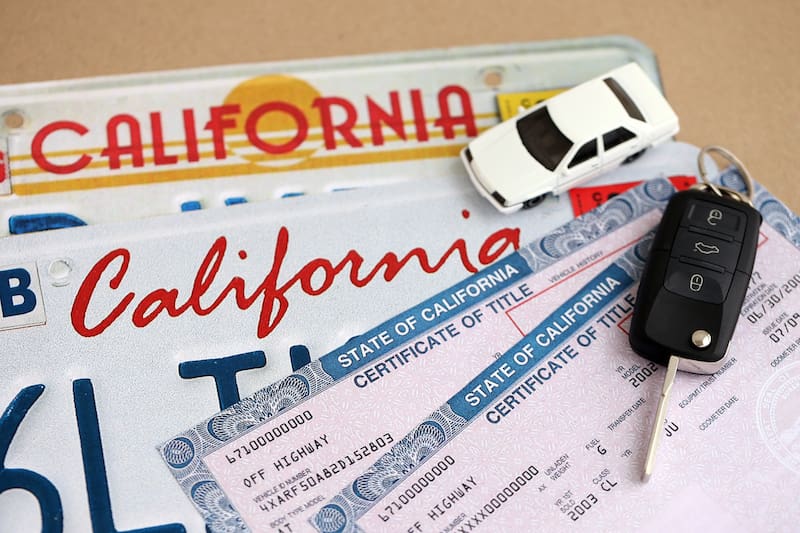
The DMV may seize and sell a vehicle to collect debts: what is the process like?
If the DMV decides to proceed with this measure, the process is not automatic and requires a series of documents and formal notices.
One of them is the Notice of Seizure and Sale (INV 57), which must include proof of certified mail sent to the registered owner and, if applicable, to the legal owner or creditor listed in the vehicle records.
To later complete the sale and registration in the buyer’s name, documentation such as the following is also required:
- Application for title or registration, Form REG 343.
- Vehicle verification, REG 31.
- Form REG 262 with the bill of sale.
- Odometer statement.
- Emission certificate, if applicable.
- Payment of the fees owed.
- The applicant’s credit receipt number for the amount offered in the purchase.
What happens to the money raised from the sale of the vehicle?
The money obtained is distributed following an order established by Section 9802 of the Vehicle Code.
First, the expenses the DMV incurred to carry out the sale are covered. Then, the money is used to pay:
- Registration and transfer fees, along with their penalties.
- Vehicle license fees, along with their penalties.
- Use tax, including interest and penalties.
- Perfected mechanic’s liens.
- Other perfected security interests.
- Parking fines, their administrative charges, and other court obligations that may be collected by the DMV.
- Any other fees that remained outstanding with the department.
If, after covering all these obligations, money remains, the remainder must be delivered to the person whose right to the vehicle is recognized by the DMV.