
En esta noticia
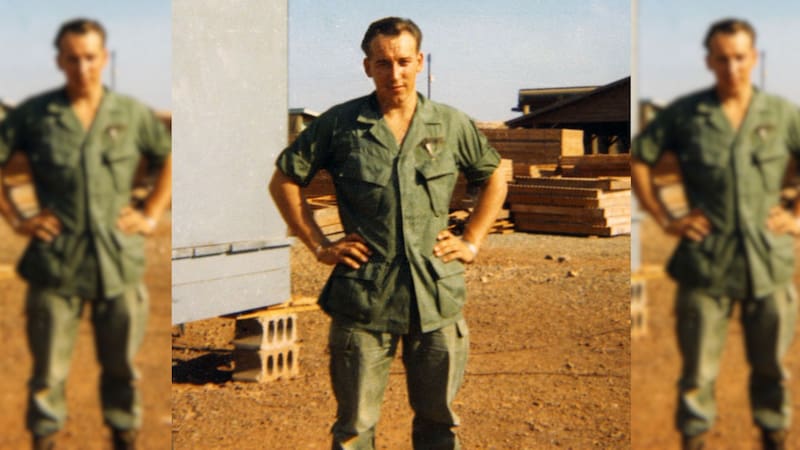
In March 1969, Frank A. Kowalczyk, a 21-year-old U.S. Army private from the Chicago area, was serving at Long Binh Post, near Saigon, when he decided to try something new. Instead of writing to his mother, he bought a reel-to-reel tape recorder from another soldier and started talking.

“I figured I’d just sit down, and instead of writing you a letter, just make use of tape. It would be a hell of a lot easier,” he said in the recording. “You know how much I hate writing.” Kowalczyk added on the recording available on the official National Postal Museum’s website.
The result is a letter you can hear
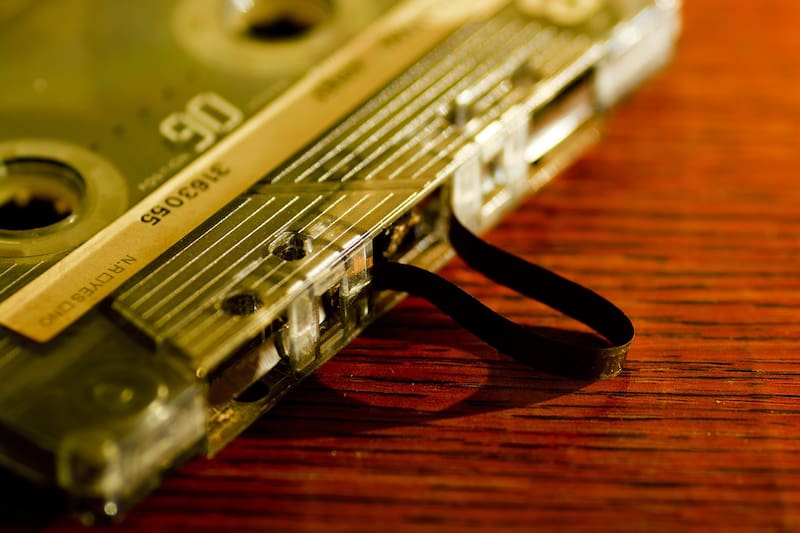
The soldier’s idea turned out to be a tape of about 43 minutes and more than 8,600 words, according to Smithsonian Magazine. His mother was supposed to record her own message on the other side and mail it back.
Audio letters were not new and were used during World War II, where soldiers could record short messages that then were sent home. By the Vietnam era, some used tape records to send longer personal messages.
What did Kowalczyk tell in his 43-minute-long audio letter?
In an almost nonstop monologue, Kowalczyk asked whether his father was back to working 12-hour shifts, how his siblings were doing, and even whether a neighbor named Carol had married. “Billy still the big Casanova, or has Paulie taken over his place now?” he asked.
But the war kept breaking in. He mentioned a soldier from his company who bled to death in a bunker because no one came to help him. At one point, a helicopter can be heard passing overhead.
“That’s a moment that you can’t get in a written letter,” said Lynn Heidelbaugh, a curator at the Smithsonian’s National Postal Museum, who acquired the tape from the family in 2011 for its permanent exhibition.
What happened to Kowalczyk after the letter?
Frank Kowalczyk returned from Vietnam, and the tape just sat in a basement for years. Like many veterans, he didn’t talk much about the war, according to his daughter.
When he agreed to donate it, he found the idea funny: “He did remark that it’s funny that somebody would want this. That it’s just him talking about the weather and bugs,” said Manda Kowalczyk, his daughter, who works at the same museum.
Frank died in 2024. But for his daughter, the recording revealed a side of him she had never known. “To be able to hear his voice and Chicago’s accent. And hearing it just sound like home,” she said