En esta noticia
More and more people are looking to renovate their gardens with solutions that are attractive and functional.
Although concrete is still useful in certain areas, the new trend is betting on combining nature, design, and comfort.
The goal is to reduce heat buildup and prevent the accumulation of water and moisture on surfaces.

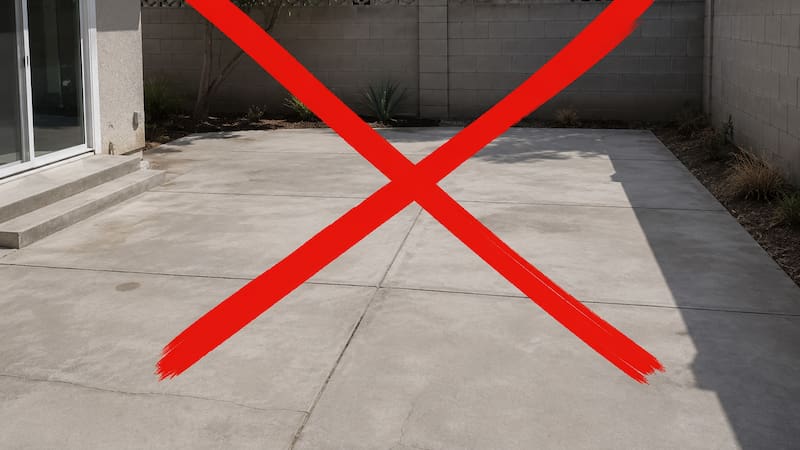
Why is it recommended to replace concrete patios?
Covering the entire garden with a concrete slab can create several drawbacks:
- Greater heat buildup during the day.
- Formation of puddles when it rains.
- Less natural water absorption.
- Less cool outdoor spaces.
- Greater impact on ground drainage.
For that reason, landscape architects and gardening specialists recommend combining different materials to create much more functional spaces and visually appealing ones.
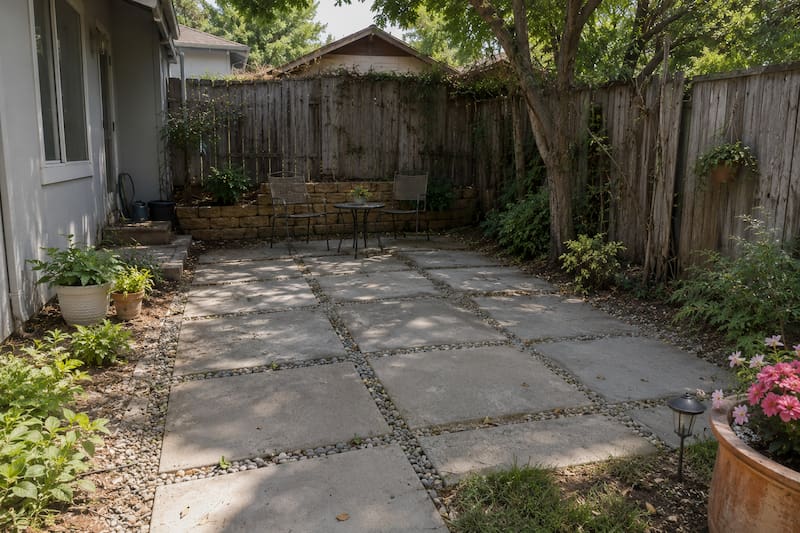
The alternatives that are trending again
Among the options showing the most growth are:
- Pavers with open joints, which allow water to pass through.
- Stabilized gravel for paths and walkways.
- Natural stones and pebbles for decorative areas.
- Drainage slabs ideal for small patios.
- Grass reinforced with concrete, designed to support light vehicles without losing permeability.
Beyond improving the look of the patio, these options require less invasive work and make future design changes easier.
How to renovate a patio without making mistakes
Specialists point out that preparing the ground is just as important as choosing the material.
Before installing pavers or stones, it is advisable to:
- Level the ground properly.
- Compact the base.
- Ensure a good drainage system.
- Install retaining edges to prevent the gravel from shifting.
Proper installation allows the pavement to maintain its stability for many years and keep its water-absorption capacity intact.

How to keep permeable pavements in good condition
Although they require less maintenance than a large concrete surface, experts advise carrying out some periodic maintenance.
Among them, the following stand out:
- Sweep away leaves and organic debris.
- Clean the joints to prevent blockages.
- Replenish the gravel when necessary.
- Control the appearance of weeds.
With these simple tasks, the garden will preserve its drainage capacity, maintain a more pleasant temperature, and continue looking like new for many years.