
En esta noticia
Construction workers found gold bars and thousands of coins hidden behind a wall during renovation work in Belgium. The discovery came while they were installing a pipe in the basement of an old building in Sint-Gillis-bij-Dendermonde, where a trove estimated to be worth 9 million euros was found.

The East Flanders prosecutor’s office confirmed the find and opened an investigation to determine where it came from, establish whether it is linked to any illegal activity and resolve who has the right to claim it.
How were the gold bars hidden in the wall found?
According to TV Oost, the discovery took place on Tuesday, Aug. 11, 2026, during renovation work on a building in Sint-Gillis-bij-Dendermonde, a town in the province of East Flanders, Belgium.
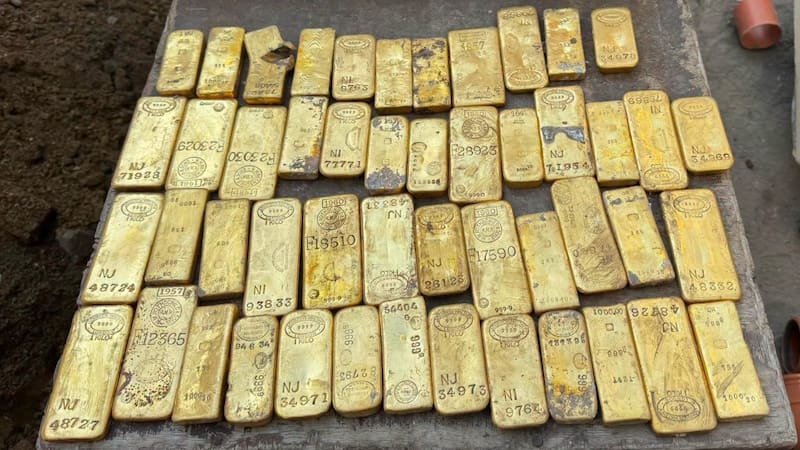
The workers were from the construction company De Brandt, based in Baasrode. While installing new sewer pipes, they found a hidden chest inside a wall in the basement. Inside were gold bars, gold pieces, and thousands of coins.
One of the workers involved in the find was Kobe, an 18-year-old student doing a summer job. “At first I thought they were one-euro coins. But then we saw a gold bar too. That’s when we realized it was something much bigger,” he told local media.
How much is the treasure found in Belgium worth?
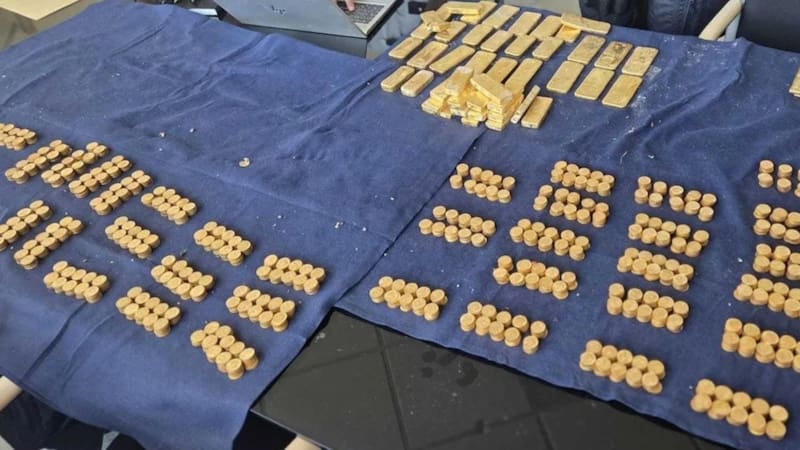
The estimated value of the items found is around 9 million euros. According to the initial reports, the treasure includes about 50 gold bars and some 4,000 coins.
The workers immediately alerted the company in charge of the project, and Dendermonde local police later took the items into custody.
The gold was taken to a high-security facility in Brussels, where it remains while the investigation continues. Authorities still must determine where it came from and verify whether it is linked to criminal activity.
Authorities do not know who the gold belongs to: the theory about its true owner
The East Flanders prosecutor’s office confirmed that it has still not been able to determine who hid the treasure or who legally owns it.
Prosecutor Hanne Ollevier explained the situation to TV Oost in a statement that sums up the case’s main question: “For now, it is not known where the gold came from or who legally owns it.”
One theory is that the pieces may have belonged to the Van Assche family, which was linked to an old brewery that operated at the site. Local historian Piet Buyse tied the possible hiding of the treasure to distrust of banks in the decades after the 1929 crash.
However, that explanation has not been confirmed. In addition, some of the bars have markings with manufacturing dates from 1957 and 1960, so it is still not known when they were hidden.
Who can claim the 9 million euros found?
The building where the treasure was found currently belongs to CAW Oost-Vlaanderen, a social services organization. The property had previously belonged to the Van Assche family and then passed to a religious institution.
Owning the building does not automatically make the organization the owner of the gold. In fact, at least five people have gone to police to claim the treasure, although none had publicly proven their right to the items.
Under Belgian law, the original owner has a five-year period to claim a found treasure. If no legitimate owner comes forward, civil provisions governing finds on someone else’s property can come into play.
For now, the bars and coins remain in the custody of authorities. The investigation will have to determine whether there is a legitimate owner, whether the gold has an illegal origin and who will ultimately receive the fortune.