
En esta noticia
The United States is nearing 6,000 confirmed measles cases so far in 2026, amid an outbreak that has spread to 47 of the 52 jurisdictions in the Centers for Disease Control and Prevention (CDC) epidemiological registry, or about 90% of the total.

The spread of the disease comes as vaccination rates have fallen and the United States has lost the measles elimination status it had achieved in 2000. Health authorities also reported six deaths linked to the disease this year, while several state health departments reported additional figures that do not yet match the federal count.
How many measles cases were recorded in the United States in 2026?
According to the Centers for Disease Control and Prevention (CDC) update published Nov. 20, the United States had recorded 5,838 confirmed measles cases through Nov. 19. Of that total, 5,820 were reported by 47 jurisdictions, and the remaining 18 involved international visitors.
The figure is the highest annual total since 1991 and far exceeds the case counts from the previous two years. In 2025, 2,289 cases were confirmed, while 285 were recorded in 2024. The report identified 43 new outbreaks in 2026.
As for the health impact, the CDC counted:
- 646 hospitalizations, equal to 11% of cases.
- Six measles-related deaths.
- 96% of patients were unvaccinated or had an unknown vaccination status.
- 2% had received one dose of the MMR vaccine and another 2% had received both doses.

Which states are hardest hit by the measles outbreak?
The outbreak is not spread evenly across the United States. Pennsylvania has the highest number of cases, followed by South Carolina, Wisconsin and Utah.
The main hot spots are:
- Pennsylvania: 1,605 cases.
- South Carolina: 670 cases.
- Wisconsin: 657 cases.
- Utah: 536 cases
The CDC also identified cases in 47 jurisdictions, including states, the District of Columbia and New York City, which appears separately in its epidemiological statistics
Why did the United States lose its measles-free status?
The United States lost its measles-free status on Nov. 17, 2026, after the Pan American Health Organization (PAHO) confirmed that the virus was again circulating endemically in the country. The United States earned the designation in 2000, when it managed to halt sustained transmission of the disease.
The decision was made because health authorities identified a single chain of virus transmission that remained active for at least 12 months. The outbreak that started that chain began Jan. 20, 2025, in Texas and reached the required period for losing the certification on Jan. 20, 2026.
What measures do health authorities recommend to prevent measles?
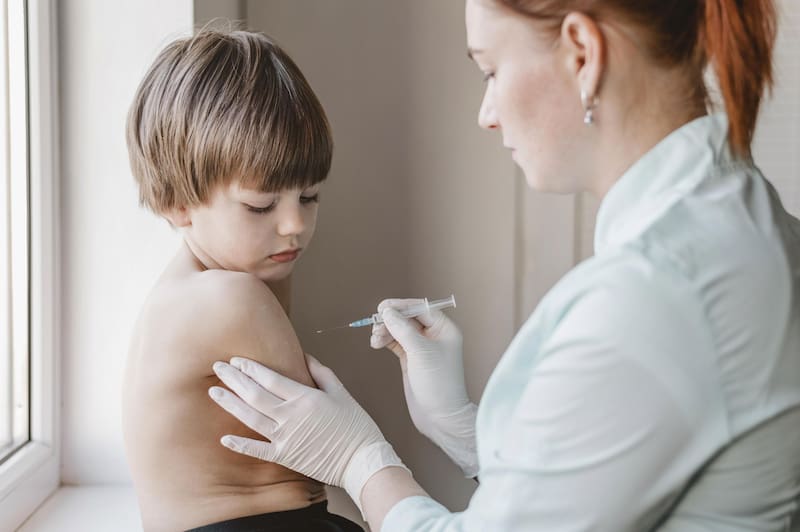
The CDC recommends completing the measles vaccination schedule with the MMR vaccine, which also protects against mumps and rubella. The agency considers immunization the main tool for preventing the disease and avoiding new outbreaks.
The recommended schedule for children includes two doses:
- First dose: between 12 and 15 months of age.
- Second dose: between ages 4 and 6.
According to the CDC, one dose provides 93% protection against measles, while two doses are 97% effective.
In addition to vaccination, health authorities recommend strengthening epidemiological surveillance, quickly identifying suspected cases, investigating close contacts and responding to outbreaks to break chains of transmission.
How can you recognize measles symptoms?
According to the Centers for Disease Control and Prevention (CDC), the main symptoms are:
- High fever: can exceed 40 C.
- Cough: usually persistent.
- Runny nose: congestion and nasal discharge.
- Conjunctivitis: red, watery eyes with sensitivity to light.
- Koplik spots: small white spots that appear inside the mouth, especially on the inside of the cheeks.
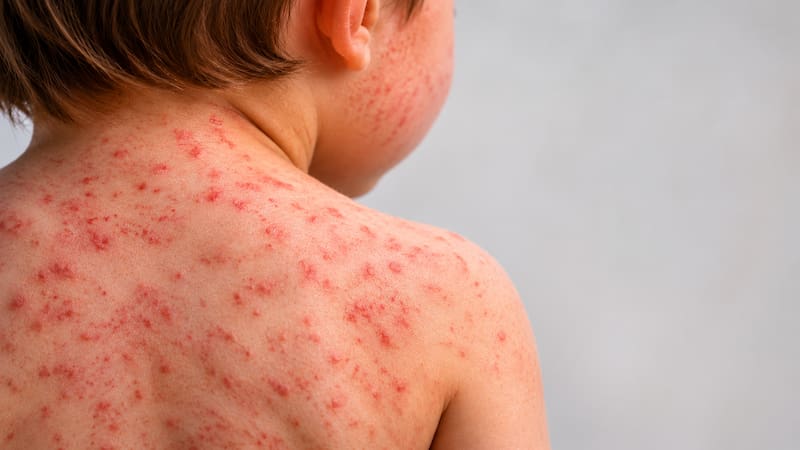
- Rash: red spots that usually start on the face and behind the ears, then spread to the neck, torso, arms and legs.
Symptoms usually appear 7 to 14 days after contact with the virus.