En esta noticia
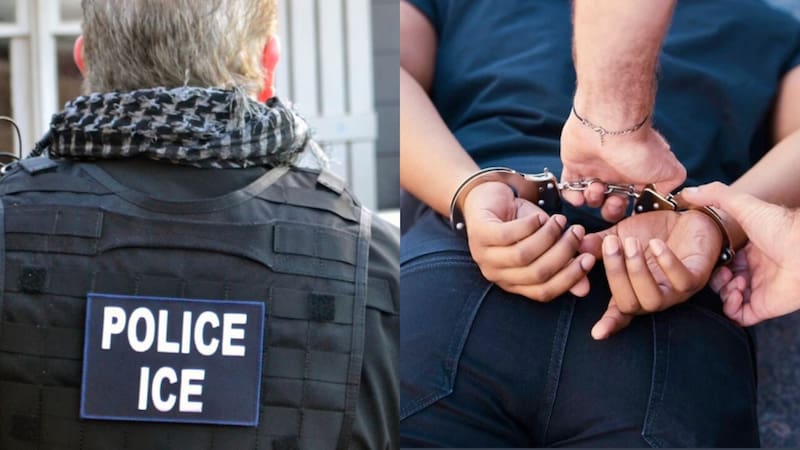
More than 300 South Korean workers detained during a massive immigration raid in Georgia have begun taking legal action against the U.S. government, according to reports citing the workers’ attorney.
The employees were arrested during a September 2025 operation at a battery plant connected to Hyundai Motor Group and LG Energy Solution. The raid resulted in the detention of 475 people and became one of the largest single-site immigration enforcement operations in U.S. history.
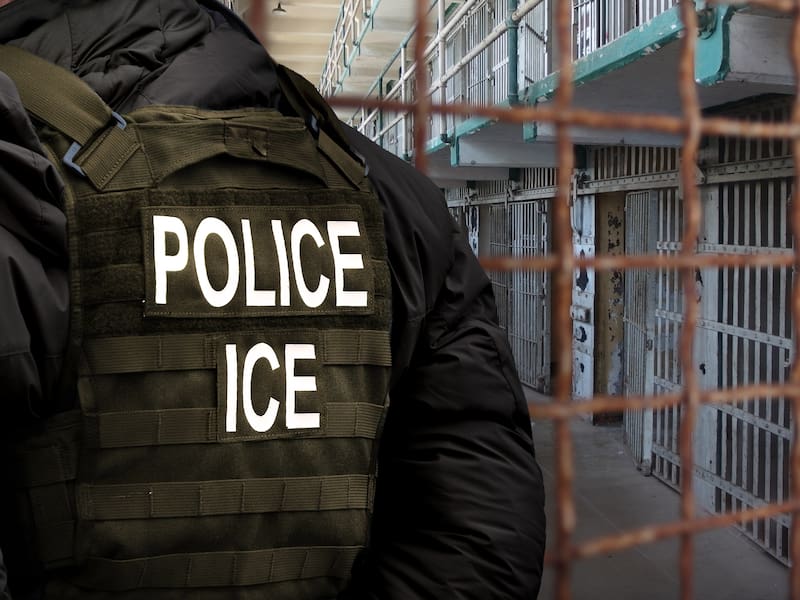
The workers have now filed administrative claims against several federal agencies, including Immigration and Customs Enforcement (ICE). The claims could eventually lead to a federal lawsuit seeking compensation for alleged unlawful detention, emotional distress and other damages.
More than 300 South Korean workers seek compensation
The legal action involves South Korean nationals who were detained during the September 4, 2025, raid at the Hyundai-LG battery plant construction site in Ellabell, Georgia, near Savannah.
According to reports, the workers have submitted claims to nine federal agencies, including the Department of Homeland Security, ICE, Customs and Border Protection, the FBI, the Department of Justice and the Department of Labor.
Filing administrative claims is generally a required step before certain lawsuits seeking damages from the federal government can proceed. The workers’ attorney said the claims are intended to establish a formal record of the allegations and seek accountability from the agencies involved.
The claims reportedly seek compensation for several alleged harms, including:
- Lost wages and employment opportunities.
- Confiscated personal belongings.
- Emotional distress and humiliation.
- Alleged unlawful detention.
- Psychological trauma connected to the raid and detention.
- Other damages allegedly suffered during the operation.
The workers’ attorney said the claims are similar in nature and that the legal action aims to make the U.S. government acknowledge what the workers describe as a serious mistake.
What happened during the Georgia immigration raid?
Federal authorities carried out the operation on September 4, 2025, at a battery plant that was still under construction.
A total of 475 people were detained, with more than 300 identified as South Korean nationals. The operation involved multiple federal agencies and was described by U.S. officials as the largest single-site enforcement action in the history of Homeland Security Investigations.
Authorities said the raid was part of an investigation into alleged immigration and employment violations. Officials argued that some workers were unlawfully present in the United States, while others allegedly entered under immigration programs that did not authorize employment.
The operation attracted international attention after images and videos showed workers being handcuffed and placed in restraints. The incident generated criticism in South Korea and raised concerns about the treatment of foreign workers involved in major investment projects in the United States.
Many of the South Korean detainees were later released and returned to their country following discussions between Seoul and Washington.
Workers allege unlawful detention and emotional harm
The legal claims reportedly include allegations of false imprisonment, abuse of process and intentional infliction of emotional distress.
One South Korean worker described being detained for several days and experiencing what the claim characterized as humiliating and degrading conditions. The allegations also include concerns about communication with relatives and the impact of the detention on the workers’ jobs and personal lives.
The claims do not mean that a court has already determined that ICE or another federal agency violated the workers’ rights. The allegations will have to be reviewed through the legal process, and the government could dispute the claims.
The legal action is also separate from any criminal or immigration proceedings involving individual workers. Each person’s immigration status, visa history and circumstances during the raid may be different.

The case could become a federal lawsuit
The administrative claims are an initial stage in the workers’ effort to seek damages from the U.S. government.
If the claims are denied or otherwise do not resolve the dispute, the workers could pursue litigation in federal court. The final structure of any lawsuit, including whether it qualifies as a class action, would depend on future legal filings and court decisions.
For now, the workers’ attorney is seeking recognition of the alleged harm and compensation for the consequences of the raid.
The case could also have broader implications for foreign workers and international companies operating in the United States. The Georgia operation raised questions about visa rules, employment authorization and the treatment of workers involved in large-scale industrial projects.
Diplomatic consequences between the United States and South Korea
The raid also created tension between Washington and Seoul.
South Korean officials became involved in efforts to secure the release and return of the detained workers. The incident prompted discussions about the immigration rules affecting skilled Korean employees and workers sent to the United States for industrial projects.
The battery plant was part of a major investment involving Hyundai and LG Energy Solution. The raid therefore raised concerns about whether immigration enforcement could affect foreign investment and the ability of international companies to bring specialized workers into the country.
The latest legal action places the Georgia raid back in the spotlight more than a year after the arrests. It also opens a new dispute over whether the workers were treated lawfully and whether federal agencies should compensate them for the alleged consequences of the operation.