
En esta noticia
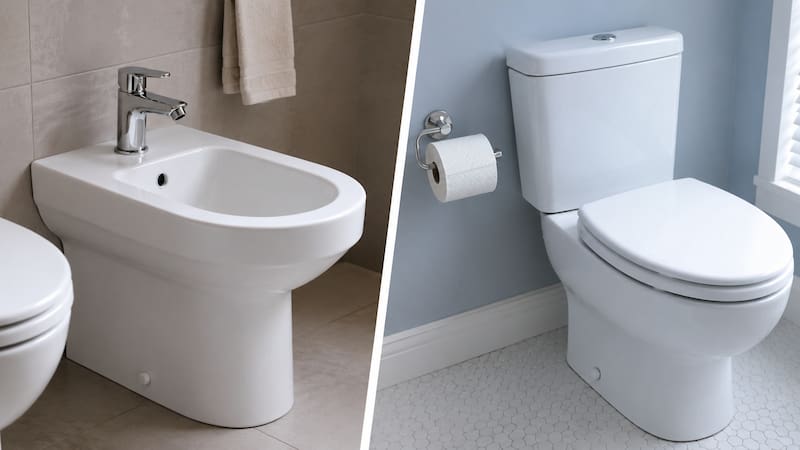
In much of Latin America, the bidet has been part of the bathroom for decades and many people consider it a basic hygiene item.
When traveling to the United States, thousands of visitors are surprised to discover that it practically does not exist in homes and hotels.
Although both hygiene models coexist in different parts of the world, the choice of one or the other is due to historical, cultural, and economic factors.

Why is the bidet so common in Latin America and almost nonexistent in the United States?
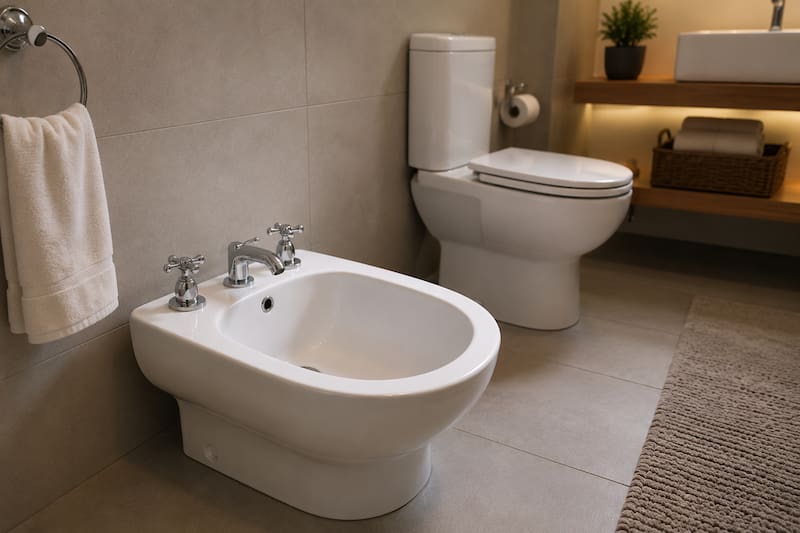
The main difference has a historical and cultural origin. The bidet arrived in countries such as Argentina, Uruguay, Paraguay, and part of Brazil thanks to European influence, especially French and Italian, during the 19th and 20th centuries.
Over the years, this fixture became part of the traditional bathroom layout and eventually became a commonplace item for millions of people.
In contrast, the United States followed another path: there, toilet paper quickly became the predominant hygiene method and the bidet never managed to be incorporated on a large scale in homes.
The reasons the United States never adopted the bidet
Several specialists point out that there are several factors that explain this difference:
- The expansion of toilet paper as a practical and inexpensive solution since the early 20th century.
- The design of homes, which historically did not consider extra space to install a separate bidet.
- Installation costs that are higher than other bathroom accessories.
- Cultural habits deeply rooted that made it unnecessary to incorporate a new hygiene system.
As a consequence, for most Americans the bidet remains an unusual and even unknown object.
Is this custom changing in the United States?
Although the traditional bidet remains uncommon, interest in electronic toilet seats with wash function has begun to grow in recent years.
These devices, very popular in Asian countries such as Japan, make it possible to add similar functions without having to completely remodel the bathroom.
In turn, during the COVID-19 pandemic, when there was a severe shortage of toilet paper, sales of this type of accessory increased considerably.

Why the bidet remains part of the identity of many Latin American homes
Beyond the available technology, the bidet remains a symbol of everyday life in much of Latin America.
While millions of families consider it an indispensable item for personal hygiene, in the United States it remains a rarity that only appears in some hotels, luxury homes, or houses of people accustomed to this system.
This difference shows how customs, history, and culture can influence something as everyday as the way each society understands personal hygiene.