
En esta noticia
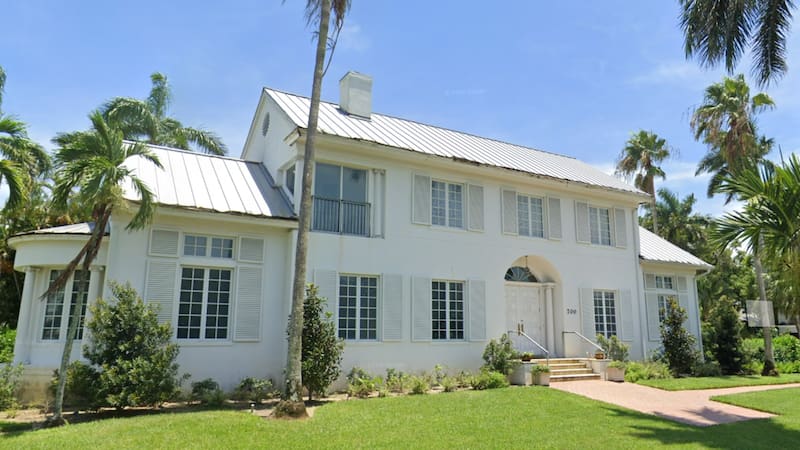
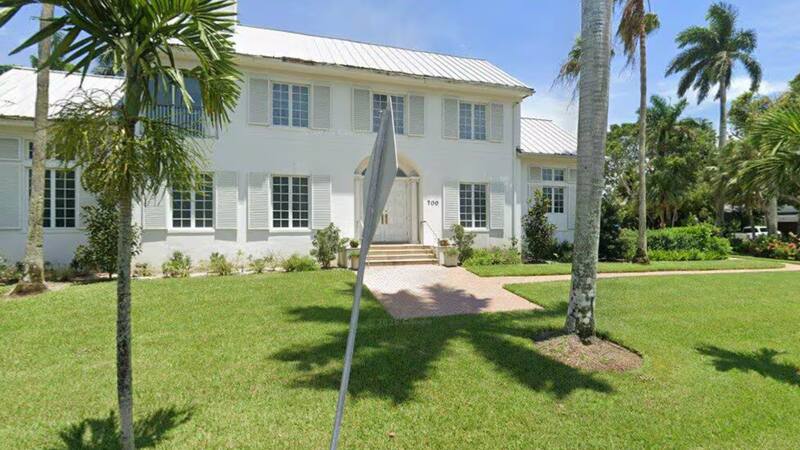
A mortgage dispute that began nearly two decades ago has reached another turning point in Florida. Gregory Brian Myers and his wife, Barbara Ann Kelly, challenged the foreclosure of their Naples property after a court found that they had missed 66 monthly mortgage payments.
The couple appealed the ruling, and Myers later agreed to deposit $5,000 a month into a court account while the appeals were pending. He subsequently claimed that the bank broke that agreement when it moved forward with the foreclosure process.
On October 19, 2026, the U.S. Court of Appeals for the Eleventh Circuit upheld the dismissal of Myers’s lawsuit, rejecting his challenge to the lower court’s decision. The ruling did not reopen the original foreclosure case; it addressed his later claims against the bank.

Why the Florida couple faced foreclosure
The dispute began in 2009, when U.S. Bank National Association, acting as trustee for a mortgage-backed securities trust, filed a foreclosure action against Myers and Kelly in Florida state court.
Kelly had originally purchased the Naples property with a mortgage and later transferred ownership to herself and Myers. The state court ultimately ruled in favor of the bank, finding that the couple had missed 66 monthly payments.
Myers and Kelly appealed the foreclosure judgment. While those appeals were underway, Myers filed for Chapter 11 bankruptcy protection in Maryland. The filing temporarily halted certain collection and foreclosure actions, prompting the bank to seek permission from the bankruptcy court to continue the legal process.
The parties reached an agreement in November 2016. It allowed their appeals to proceed and set conditions for what would happen if the foreclosure judgment was upheld.
The $5,000 monthly payments and the agreement with the bank
Under a consent order entered by the Maryland bankruptcy court on November 14, 2016, Myers was required to deposit $5,000 each month into the court registry until the state appeals were resolved.
Myers later claimed that he had deposited a total of $70,000. Under the agreement, if the state appeals court upheld the foreclosure judgment, the bank could receive the funds, but it had to credit the amount against any debt collected from Myers or Kelly.
The order also restricted the foreclosure sale only until the appeals were finally resolved in the bank’s favor. It did not permanently prevent the bank from proceeding with the sale.
In 2018, a Florida appeals court upheld the foreclosure judgment and rejected the couple’s challenges. That decision ended the appeals that had temporarily delayed the foreclosure sale.
Why Myers sued the bank again
In 2024, Myers filed another lawsuit against U.S. Bank, a law firm and several individuals. He argued that efforts to schedule a foreclosure sale violated the 2016 agreement and alleged breach of contract, constructive fraud and violations of federal debt collection law.
After the court dismissed his initial complaint, Myers amended it. However, the federal district court later dismissed the revised lawsuit with prejudice, meaning he could not continue pursuing the same claims through another amendment in that case.
The court found that Myers had not adequately explained how the bank breached the agreement. It also concluded that his fraud allegations lacked the necessary factual support and that his claim under the Fair Debt Collection Practices Act was untimely.


What the October 19 ruling means
Myers appealed the dismissal, arguing that the lower court had handled his claims incorrectly and should have given him another opportunity to amend his complaint.
The Eleventh Circuit disagreed. The judges upheld the dismissal, concluding that Myers’s allegations were not sufficient to establish a breach-of-contract claim. The court also found no error in the lower court’s decision to dismiss the case with prejudice.
The appeals court noted that Myers had abandoned his challenges to the dismissal of the fraud and debt collection claims by failing to properly pursue them in his appeal. It therefore focused on the breach-of-contract issue.
The ruling leaves the dismissal of Myers’s later lawsuit in place. It does not represent a new foreclosure judgment: the original foreclosure ruling had already been upheld in 2018. The October 2026 decision concerns the separate lawsuit Myers brought years later over the agreement governing the appeals.