

En esta noticia
Among the DIY tricks for improving heating is placing aluminum foil on the wall behind a radiator. This is not just a baseless belief: it has a specific physical explanation tied to how heat is transferred.

What does putting aluminum foil behind a radiator do
The goal is to keep some of the radiator’s heat from “escaping” through the wall and instead send it back into the room. In other words, it aims to help the heat the radiator produces work better inside the room rather than being lost through the wall.
A radiator heats in two ways: by convection (heating the air, which circulates through the room) and by radiation (emitting radiant heat, in the form of infrared rays, toward everything around it, including the wall behind it).
If the radiator is on an outside wall facing the street, and that wall is cold or poorly insulated, much of that radiant heat is absorbed by the wall and ends up being lost outside.
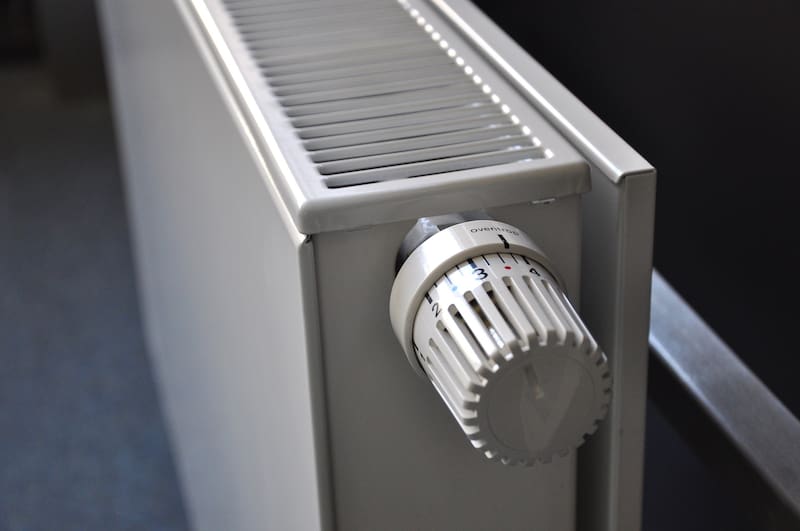
Aluminum foil offers a solution because it is highly reflective to radiant heat: placed behind the radiator, with the shiny side facing the room, it reflects those infrared rays back into the room instead of letting the wall absorb them. In short, it acts like a mirror for heat.
How to do it right
To make it work, it’s best to do it properly:
- Place the aluminum foil on the wall behind the radiator, with the shiny side facing the room.
- Try to keep it as smooth and flat as possible, with no deep wrinkles, so it reflects evenly.
- Attach it to the wall, not the radiator, and do not block airflow around the unit, so you don’t interfere with convection.
- For durability, it’s best to use sturdy aluminum foil or, better yet, a special reflective radiator panel (there are products made for this that are more durable and easier to install).
What a Scientific Study Says
A study by researcher D. J. Harris, published in 1995 in the scientific journal Applied Energy (“Use of metallic foils as radiation barriers to reduce heat losses from buildings”), tested the use of reflective metal sheets behind radiators under laboratory conditions. Its main findings were:
- Heat loss through the wall area directly behind the radiator dropped to less than 30% of its original value.
- The room’s total energy use fell by up to 6%. The study estimated savings of about 60 kWh a year for a room the size of a small bedroom or living room.
The study found that ordinary aluminum foil worked almost as well as commercial reflective panels designed for this purpose. In other words, there’s no need to spend money on a special product to get a similar effect.