
En esta noticia
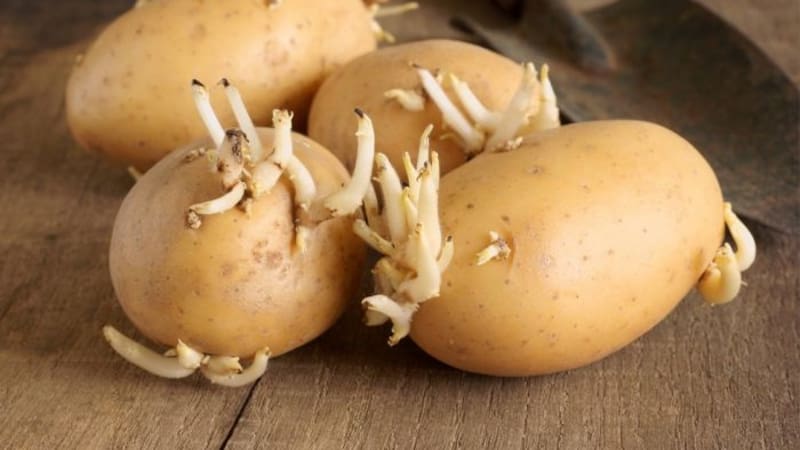
Potatoes that begin to develop sprouts can pose a health risk if eaten under certain conditions. That is because, during that process, the tuber can increase the concentration of glycoalkaloids, natural compounds that serve as the plant’s defense mechanism and can be toxic to people.

One of the main compounds in this group is solanine, which can also build up in the green parts of the potato. For that reason, food safety agencies recommend looking at the potato’s appearance before cooking it and avoiding potatoes with lots of sprouts, large green areas, or a bitter taste.
The precaution is especially important when it comes to young children, since a high exposure to these compounds can have more serious effects.
Why sprouting potatoes can be toxic
Solanine is part of the potato’s natural defenses against insects and other organisms. In tubers that are in good condition, their levels are usually low, but certain conditions can cause these compounds to increase.
Prolonged exposure to light, improper storage, and the appearance of sprouts are some of the factors that can alter their concentration. Green areas and sprouts deserve special attention because they can contain higher amounts of glycoalkaloids.
According to the European Food Safety Authority (EFSA), high intake of these compounds can cause gastrointestinal symptoms, including:
- Nausea.
- Vomiting.
- Abdominal pain.
- Diarrhea.
With greater exposure, neurological symptoms can also appear. The severity of the symptoms depends on how much is eaten and each person’s exposure.
That is why the potato’s appearance is an important clue when deciding whether it can still be used for cooking.
What happens if you cook sprouting potatoes
One of the most common questions is whether boiling, baking or frying a potato removes solanine. However, these methods do not guarantee that the food will no longer be toxic.
Glycoalkaloids are fairly resistant to the heat of normal cooking. Although some methods may partially reduce their concentration, you cannot rely on temperature alone to make a badly deteriorated potato safe.
The German Federal Institute for Risk Assessment recommends avoiding very green, bitter potatoes or those with extensive sprouts. When there are small sprouts or limited green areas, they should be removed generously along with the affected parts.
By contrast, if the tuber has numerous sprouts, large green areas or signs of deterioration, the safest course is to throw it out.
How to tell if a sprouting potato is safe to eat
Not every potato that develops small sprouts should automatically be thrown away. To determine whether it can still be used, it is necessary to look at how far the process has progressed and the tuber’s overall condition.
The main signs to watch for are:
- Small, isolated sprouts: These can be removed along with a generous portion of the affected area, as long as the potato still looks in good condition.
- Green patches: These indicate the tuber has been exposed to light and may be linked to a higher concentration of glycoalkaloids. If they are extensive, it is best to discard it.
- Numerous or well-developed sprouts: These are a sign to avoid eating them, especially if they are accompanied by other signs of deterioration.
- Bitter taste: if the potato has this taste, it should no longer be eaten.
The caution should be greater in homes with young children, because their lower body weight can make the same amount of a substance a proportionally higher exposure.
How to store potatoes to keep them from sprouting
Storage is key to slowing germination and reducing the conditions that favor glycoalkaloid buildup.
Both the EFSA and the German Federal Institute for Risk Assessment stress the importance of keeping potatoes protected from light and in proper storage conditions.
To keep them longer, it is recommended to:
- Store them in a cool, dry, dark, well-ventilated place.
- Avoid leaving them exposed to sunlight or direct light.
- Use paper bags, cloth bags or containers that allow air to circulate.
- Do not store them for long periods in warm places.
- Check their condition regularly and separate any potatoes that show deterioration.
It is also important to avoid storing potatoes for too long, since improper conditions can encourage both sprouting and the development of green areas.
In addition, poor storage can change the tuber’s composition and promote the formation of acrylamide during certain high-temperature cooking methods, especially frying.
In short, a potato with small sprouts does not necessarily have to be thrown out, but it should be checked before eating. If it has lots of sprouts, large green areas or a bitter taste, the safest choice is not to use it.