
En esta noticia
She was 23 when her story shocked Germany. Anneliese Michel went through episodes her family interpreted as signs of demonic possession and ended up undergoing 67 exorcisms in less than a year. During that period, her health deteriorated alarmingly in a case that still fuels debate between religious and medical explanations.
The rituals took place between September 1975 and June 1976; according to historical reconstructions, the young woman suffered disturbing episodes and reached a state of extreme malnutrition and exhaustion.
Anneliese died on July 1, 1976, when she weighed about 68 pounds. Two years later, her parents and the two priests who took part in the exorcisms were convicted of negligent homicide.

What Was Happening to Anneliese Michel Before the Exorcisms Were Authorized
Anneliese Michel was 23 and living in Germany when her story became one of the best-known exorcism cases of the 20th century. According to a reconstruction published by the public broadcaster WDR, she suffered epileptic seizures and ended up injuring her knees after doing 600 kneelings. She was also said to have adverse reactions to religious objects such as crucifixes, which those around her increasingly interpreted as signs of alleged demonic possession.
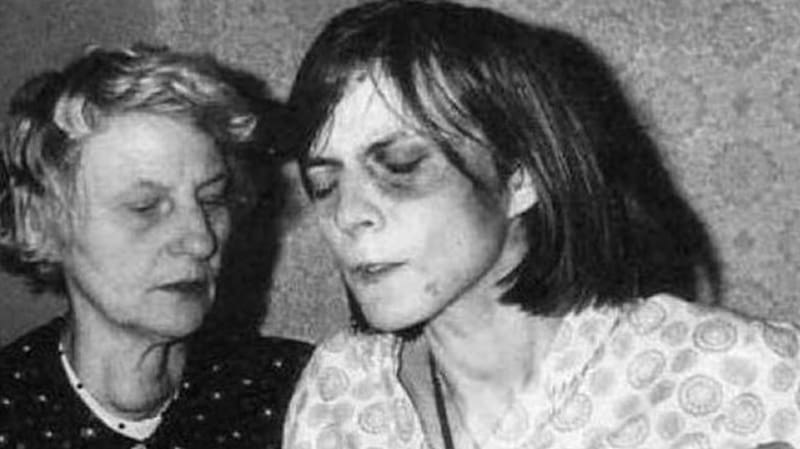
Michel said she heard voices, saw demonic faces and had negative thoughts telling her she would end up in hell. However, the symptoms and their causes were interpreted differently, since medical explanations linked the condition to neurological and psychological problems, while her family and the priests said she was possessed, leading them to seek a religious answer through extensive rituals.
Why She Underwent 67 Exorcisms and What Behaviors Were Recorded During That Time
The exorcisms were authorized by the Bishop of Würzburg, Josef Stangl, and carried out by Arnold Renz and Ernst Alt between September 1975 and June 1976. In less than a year, 67 sessions were held, a figure that appears in historical reconstructions of the case published by the Evangelische Zentralstelle für Weltanschauungsfragen (EZW), a German institution specializing in the study of religious issues.
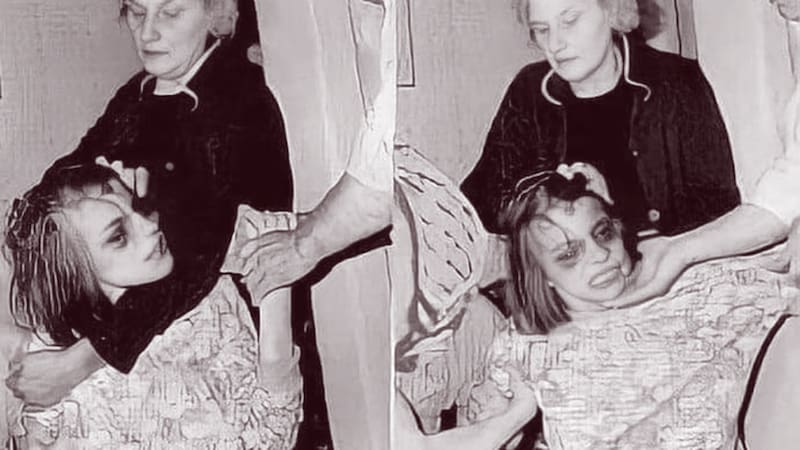
During that period, Anneliese’s health worsened, as accounts of the case describe episodes of screaming, violent movements and resistance during the rituals carried out in her parents’ bedroom, which is why she was chained to a chair. Some sessions were recorded, and the tapes were presented during the later trial, making part of what happened known beyond the family and religious setting.
According to a reconstruction published by The Washington Post in 2005, Anneliese reportedly ate spiders and coal and spent periods under a table while barking like a dog. These behaviors are part of the accounts circulated about the case, whose interpretation was shaped by those around her belief in alleged demonic possession.
How Anneliese Michel Died and What the German Courts Ruled
Anneliese Michel died on July 1, 1976, at 23, weighing 68 pounds and in a severely deteriorated physical condition. Historical reconstructions link her death to malnutrition and exhaustion, but the controversy went beyond religious belief and focused on the decisions of those involved in her care.
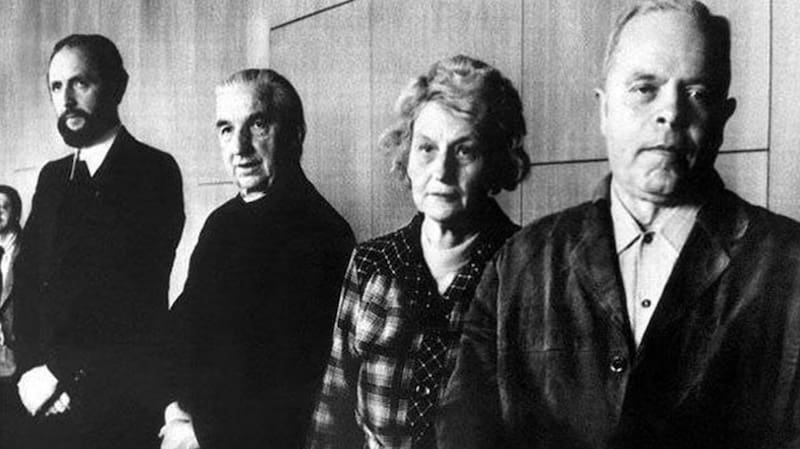
After hearing the exorcism recordings in 1978, a German court convicted her parents and the two priests who had taken part in the exorcisms of negligent homicide and handed them suspended three-year sentences, as the case examined the responsibility of the adults around her and the lack of proper medical care while her health worsened.