
En esta noticia
Over time, it is common for glass glasses to lose their original shine and take on a whitish appearance, even after going through the dishwasher. These stains can appear as a result of mineral buildup in the water, especially in areas of Spain where the water is harder.
To solve this problem, the Organization of Consumers and Users (OCU) suggests using an inexpensive ingredient many people already have in their kitchens: white vinegar.
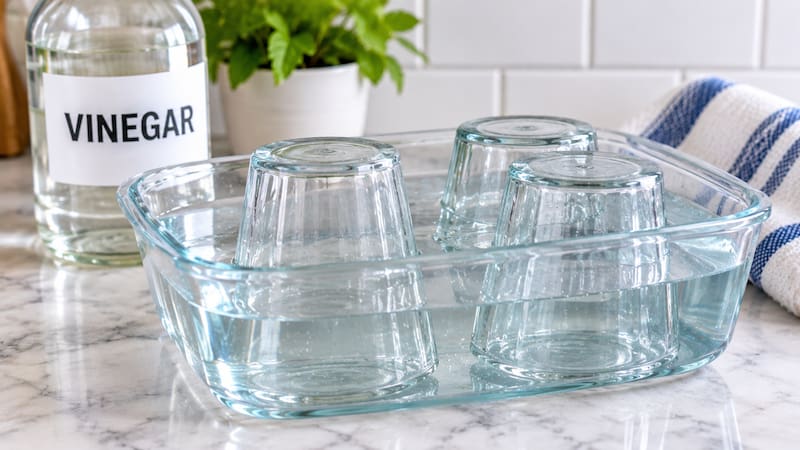
Its acidic composition helps dissolve limescale deposits stuck to glass surfaces. To take advantage of its properties, simply mix it with water and let the solution sit for half an hour.

What is soaking glasses in water and vinegar for 30 minutes for?
According to the OCU, this method removes whitish limescale stains and helps determine the source of the glass’s loss of transparency.
To put this home trick into practice, the organization recommends following these steps:
- Pour one part vinegar for every three parts water into a container.
- Fully submerge the affected glasses.
- Let the mixture sit for at least 30 minutes.
- Wash the glasses by hand, rinse them and dry them.
If the stains disappear after the process, the most likely cause is a buildup of limescale. If the whitish appearance remains, however, it could be irreversible damage to the glass as a result of corrosion.
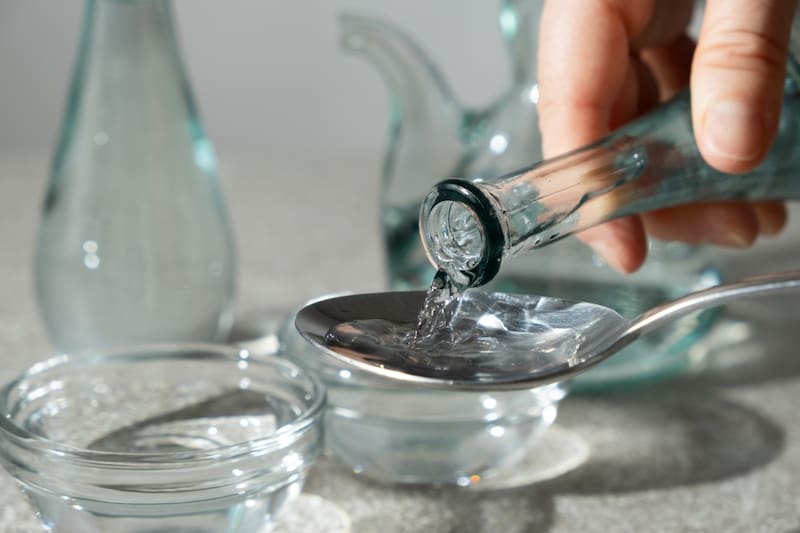
How can you keep glasses from coming out white from the dishwasher?
The OCU says water hardness, detergent and the quality of the glass are the main factors behind these stains.
To prevent this problem, the organization recommends adjusting the amount of dishwasher salt according to the hardness of the water, using enough rinse aid and selecting wash cycles with temperatures below 55 C.
It also recommends choosing dishwasher-safe glasses and leaving enough space between them to prevent them from knocking against each other during the wash cycle. These small changes can help keep tableware clear for longer