
En esta noticia
A toilet leak can waste water without leaving a puddle on the floor. When water flows from the tank into the bowl, the problem can continue without users noticing. To catch it, there is a food coloring test and a few minutes of waiting.
The New York City Department of Environmental Protection recommends doing this check once a year in every toilet in the home. The inspection can identify an internal leak.
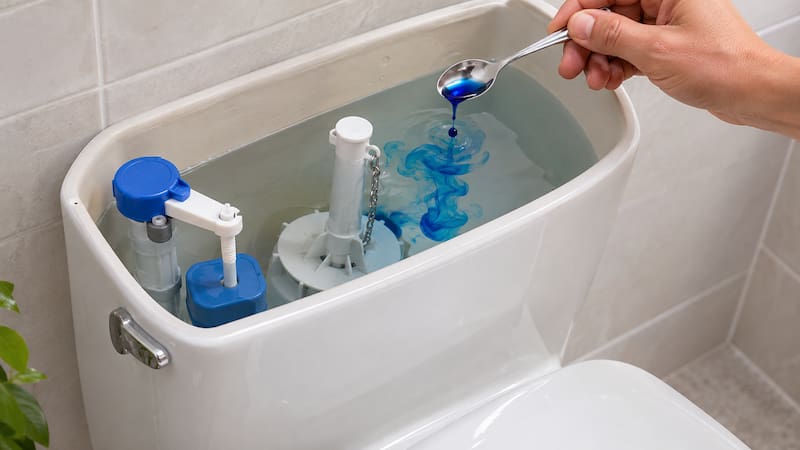
What the dye is for and how to do the test
The procedure is to place a teaspoon of food coloring in the tank, wait 10 to 15 minutes without flushing, and then check the water in the bowl.
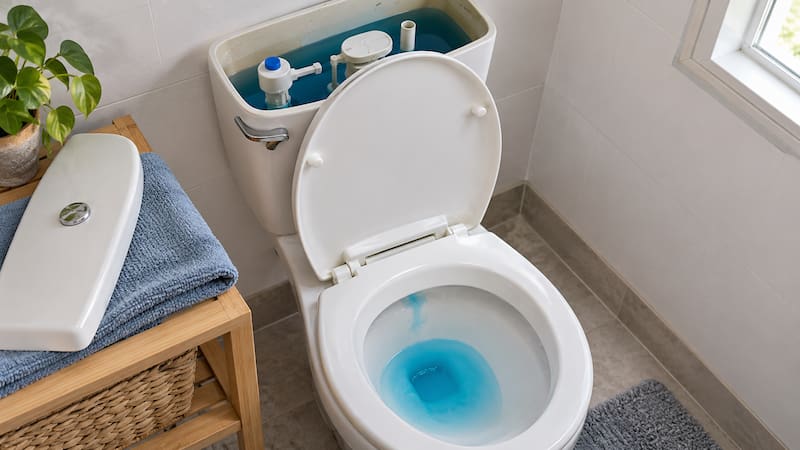
If the color shows up, it means water is moving from the tank into the bowl. The agency says the faster the color appears, the bigger the leak.
The dye acts as a visible sign of water flow. The test is meant for toilets with tanks and can detect the problem but not fix it.
Which parts may be causing the leak?
Among the most common causes, the New York guide cites problems with the fill valve or the part that seals the tank outlet.
The Environmental Protection Agency (EPA) explains that this rubber seal holds water in the tank and releases it when the toilet is flushed. Over time, it can wear out and stop closing properly.
According to the EPA, a worn part can cause spontaneous flushing or silent leaks of thousands of gallons a year. That is why the agency recommends checking it regularly.
What to do after detecting a leak
Once the check is finished, the EPA advises flushing the toilet to avoid dye stains. That flush should be done after observing the result, not during the waiting period.
If the seal needs to be replaced, the agency recommends taking the old part or a photo to the store to find a compatible replacement. You can also consult the toilet manual or the manufacturer’s website.