En esta noticia
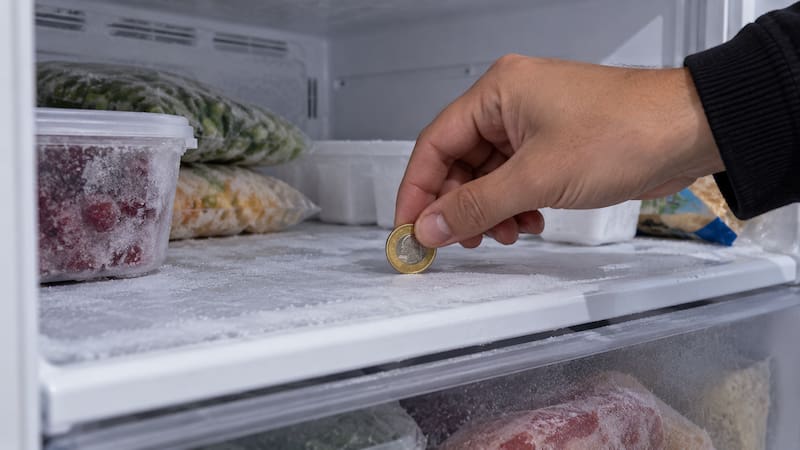
Placing a coin on top of a block of ice inside the freezer before traveling has become a habit recommended by specialists in food safety. The trick makes it possible to detect, when you return, whether there was a prolonged power outage that affected food preservation. It requires no technology or expense and takes less than a minute to apply.
The method gained popularity as a simple alternative to sensors or smart monitoring systems. It becomes more relevant in summer, when electrical overload increases the risk of prolonged blackouts during long trips.
How does the coin trick in the freezer work?
The procedure consists of freezing water inside a container and using the coin as a temperature indicator. Before leaving, you must follow these steps:
- Fill a freezer-safe container with water.
- Freeze it completely.
- Place a coin on the surface of the ice.
- Put the container back in the freezer for the entire trip.
If the coin remains on top of the ice when you return, the temperature has stayed stable during your absence. If it appears sunk in the middle or at the bottom, the ice melted and froze again, a sign that there was a significant power outage.
What does the position of the coin mean, and what should be done with the food?
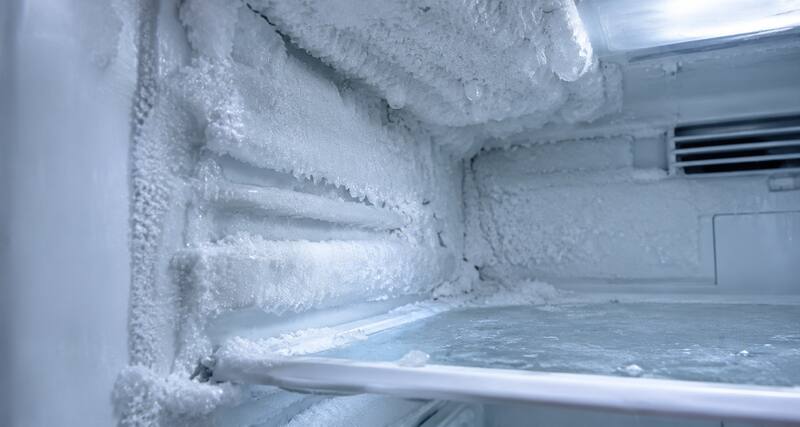
The position of the coin determines whether the food is still safe to eat. When it remains on the surface, there is no break in the cold chain, and there is no risk. When it goes down, even if the freezer works “normally” when you return, the food has already gone through a partial or total thaw.
In that case, it is advisable to discard the food, even if it appears to be in good condition at first glance. Eating food that has lost the cold chain can cause food poisoning, a risk that cannot be detected by appearance or smell.