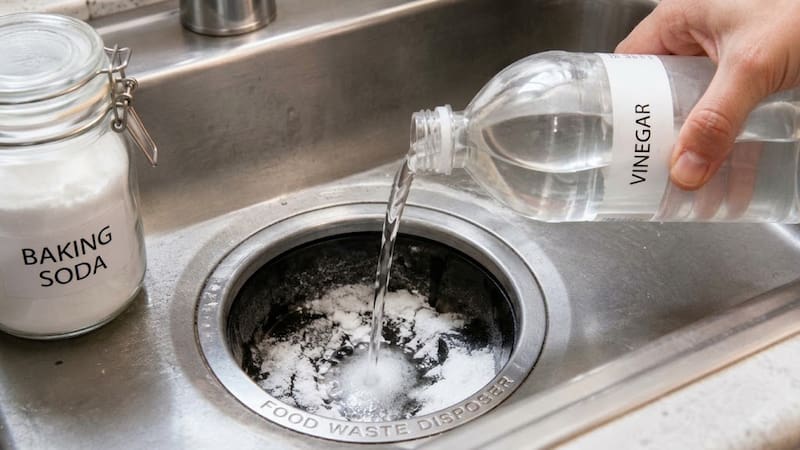

Mixing baking soda with vinegar is one of the best-known homemade cleaning tricks in the United States, especially for dealing with dirt, bad odors, and residue on different surfaces.
The combination produces a visible chemical reaction, with bubbles and foam, which many people use to clean drains, toilets, and other areas of the home.
Why is it recommended, and what is mixing baking soda with vinegar for
Baking soda and white vinegar have different properties that explain why they are used in household tasks. The first is an alkaline compound that can help loosen dirt and neutralize bad odors. The second contains acetic acid, which is useful for treating some residue.
When they come into contact, a reaction occurs that releases carbon dioxide, the gas responsible for the bubbles. The effervescence can help loosen some residue.
On this point, the Poison Control Center of Children’s Hospital of Philadelphia (CHOP) recommends using recipes with baking soda and vinegar to clean different areas of the home:
- To clean the toilet, for example, you can sprinkle baking soda in the bowl, add vinegar, and scrub with a brush. Afterward, it is important to rinse the surface and avoid mixing these ingredients with other cleaning products.
- In the case of bathtubs and tiles, baking soda can be applied as a gentle abrasive, as long as the material can tolerate this type of cleaning. Vinegar can also be used separately on acid-resistant surfaces to treat certain mineral deposits.
- For drains, a traditional homemade recipe consists of adding baking soda and then vinegar. However, the bubbles do not guarantee that a deep clog will be removed. If the water does not drain, the recommended course of action is to use a plunger or a suitable cleaning method for the installation.
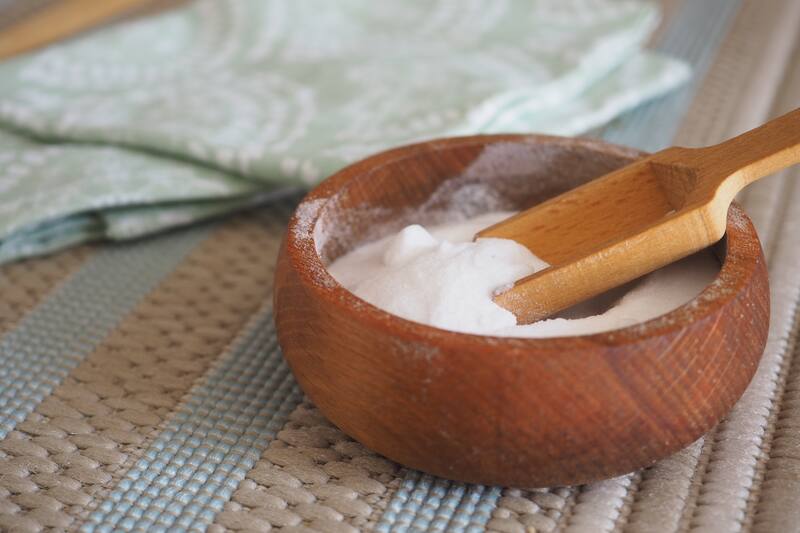
“Using non-toxic alternatives that you can prepare yourself can be just as effective as commercial products and much less dangerous in case of accidental ingestion. In addition, using homemade cleaning products also allows you to save money”, says CHOP.
When cleaning with this mixture, avoid combining it with other cleaning products. In particular, vinegar should never be mixed with bleach or household chlorine, because it can release chlorine gas, which is toxic.
This mixture can help with cleaning and removing limescale, but it does not work as a disinfectant or reliably eliminate specific microorganisms.
Before applying any of these ingredients, it is recommended to test them in an inconspicuous area and check the manufacturer’s instructions. Vinegar can damage marble, limestone, and other acid-sensitive surfaces; baking soda, for its part, can scratch delicate materials if rubbed too hard.