
En esta noticia
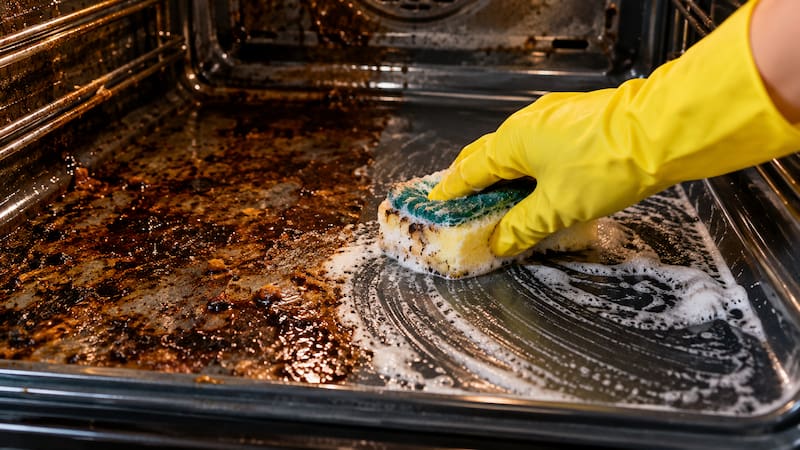
A mixture of baking soda and lemon can be a useful way to clean the oven and remove built-up grease without turning directly to harsh cleaning products. The method calls for just a few ingredients, is easy to use and helps soften grime so it can be wiped away with a damp cloth.
According to recommendations from the hazardous waste management program in King County, Washington, United States, the process involves dampening the inside of the oven, spreading baking soda and, for tougher stains, adding lemon juice. The key is to let the mixture sit and remove all residue without scratching the surfaces.
How to Clean the Oven With Baking Soda and Lemon, Step by Step
To remove burned-on grease from the oven, there is no need to start with a stiff brush or scrub hard.
The technique recommended by U.S. experts prioritizes letting the mixture sit and cleaning with a microfiber cloth.
The steps for the process are as follows:
- Turn off the oven and let it cool completely. Never apply the mixture to a hot surface.
- Lightly dampen the inside. Spread a little water over the dirty areas and the door, without soaking the electrical components.
- Add the baking soda. Sprinkle about half a cup over the dirty areas and the inside of the door, as long as the manufacturer allows this type of cleaning.
- Let it sit for 10 to 15 minutes. This gives surface grime time to start loosening.
- Add lemon for tough stains. Cut a lemon into thick slices and squeeze its juice over the baking soda.
- Wait 15 to 20 minutes. Let the mixture work on the grease before wiping it away.
- Wipe with a damp microfiber cloth. Gently go over the treated areas and rinse out the cloth as many times as necessary.
Why Baking Soda Helps Remove Burned-On Grease
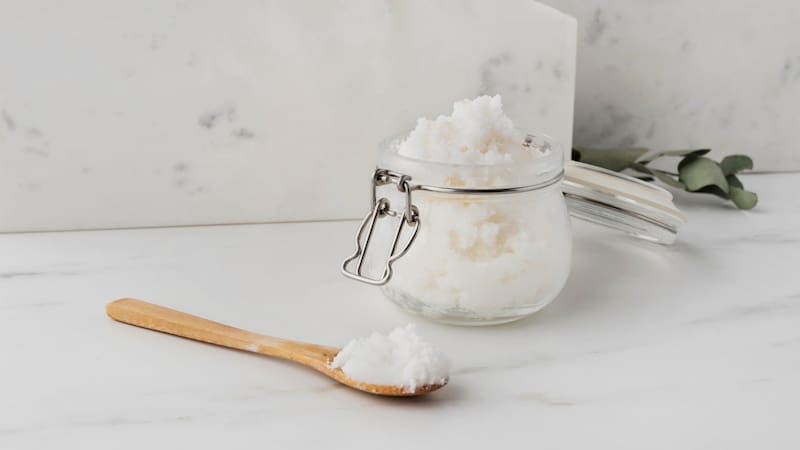
Baking soda is an alkaline ingredient that can help loosen certain residues and make cleaning easier with a gentle action. When combined with water and left to sit, it forms a paste that can be used on stains without immediately turning to abrasive tools.
Lemon adds citric acid and can help treat certain residues, although its effectiveness depends on the type of dirt and the surface. It is worth noting that older stains may require several passes or a specific oven cleaner.
What Precautions to Take to Avoid Damaging the Oven
Even when using common kitchen ingredients, not all surfaces tolerate the same cleaning methods.
Before applying baking soda and lemon, it is important to check the appliance manual and see which products the manufacturer recommends.
These are the main precautions:
- Do not use metal sponges or abrasive scrub pads, since they can scratch the glass and damage the finish.
- Avoid the seals, heating elements and electrical components. Liquid should not be introduced into the appliance’s sensitive areas.
- Do not apply lemon to surfaces that could be damaged by acids. If the manufacturer advises against this ingredient, it is better to use only the approved method.
- Remove all the baking soda before turning the oven back on. Any residue can create buildup or smoke when heated.
- Do not mix cleaning products with one another. In particular, never combine bleach with acids, ammonia or other cleaners.
For ovens with a self-cleaning function, catalytic coating or special enamel, it is essential to follow the manufacturer’s specific instructions, since some home methods may not be suitable.