
En esta noticia
For decades plastic zip bags have been considered an indispensable item in American homes. From meal prep to school lunches, this product has been fundamental for food storage.

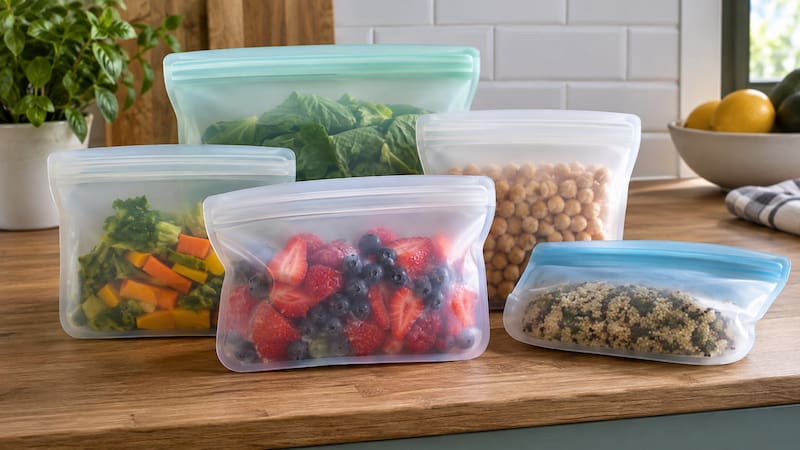
But since a few years ago, a new reusable alternative is gaining ground. We are talking about silicone storage bags. This new product promises more thorough cleaning, greater comfort, and long-term savings.
The alternative that replaces plastic zip bags, and more and more people are choosing it
Made from food-grade silicone, these new storage bags are designed to store snacks, leftovers, liquids, and other everyday items.
Most of them are leakproof and can go in the freezer, microwave, and dishwasher. If used with proper care, silicone bags can be used for years.
Market research firm The Insight Partners expects the silicone storage bag market to keep growing steadily through 2034, with North America playing a major role
Why more people are switching to silicone storage bags
The biggest driver for customers is the move away from single-use plastics. According to the Environmental Protection Agency (EPA), the United States generated about 4.2 million tons of plastic bags, sacks, and wraps in 2018, and only about 9% of them were recycled.
The clearest sign of this shift was seen when SC Johnson, the company that owns Ziploc, acquired Stasher, one of the most important and best-known silicones bag brands. Also, Ziploc has launched its own reusable line, Ziploc Endurables.
Product testers such as Consumer Reports and Serious Eats now regularly review and rank silicone bags, a sign of how common they have become in American kitchens.
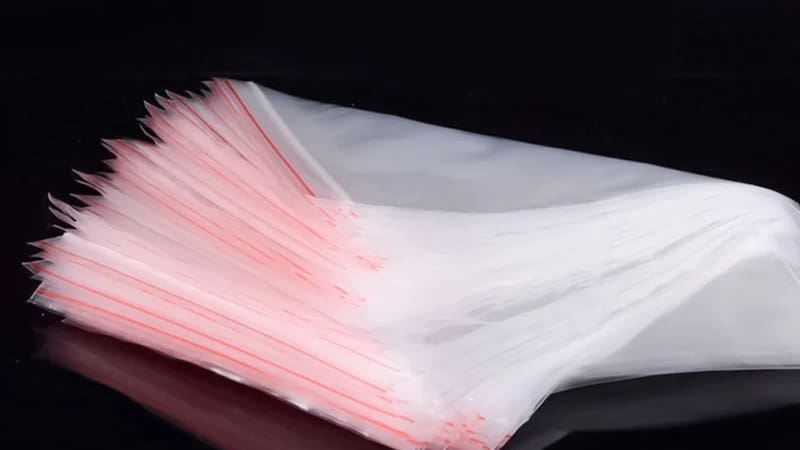
What should you know before changing from plastic zip bags to silicone storage bags?
There is a key catch behind the idea that the silicone storage bags are instantly more beneficial to the environment. These benefits depend on how they are used.
According to Wirecutter, the product review site of The New York Times, they are only truly more sustainable if people reuse them many times, since making and washing them requires more energy than producing a disposable bag.
For many households, the switch is not about giving up plastic bags overnight, but about using one bag hundreds of times instead of throwing hundreds away.