
En esta noticia
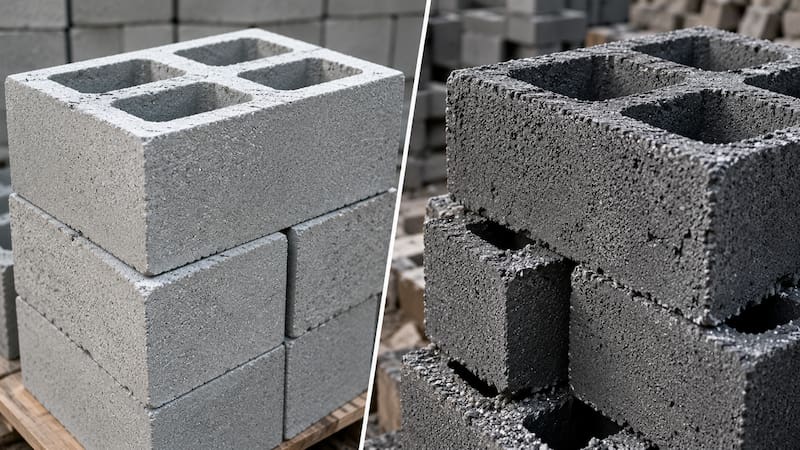
Although many people use the terms concrete block and cinder block as if they meant the same thing, they are actually different building materials. While they may look almost identical at first glance, their composition, strength and durability vary significantly, making each one better suited for specific projects.
If you’re planning a home improvement project, understanding these differences can help you choose the right material and avoid costly mistakes.

What is the difference between concrete blocks and cinder blocks?
The biggest difference lies in what they’re made of.
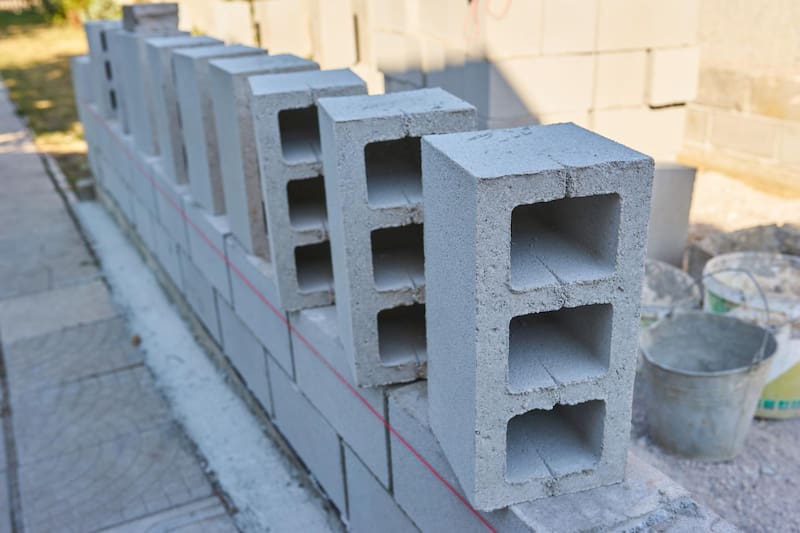
Concrete blocks — also known as concrete masonry units (CMUs) — are manufactured with Portland cement, water, sand and dense aggregates such as crushed limestone or gravel. This combination creates a solid, durable block that can weigh between 30 and 55 pounds, depending on whether it is hollow or solid.
Cinder blocks, by contrast, are made with coal cinders (bottom ash) instead of stone or gravel. Because of this, they are much lighter, typically weighing 20 to 25 pounds, but they are also less dense and considerably weaker.
Which is better?
For most construction projects, concrete blocks are the better option.
Their dense composition gives them a compressive strength of around 2,500 PSI, making them suitable for:
- Foundation walls
- Load-bearing walls
- Retaining walls
- Structural construction
- Outdoor projects that require durability
Cinder blocks, on the other hand, are not recommended for structural applications because they cannot withstand the same amount of weight or pressure. They are better suited for lightweight, non-load-bearing uses where strength is not the primary concern.
Moisture resistance is another major difference
Concrete blocks also outperform cinder blocks when it comes to resisting moisture.
Because cinder blocks are much more porous, they absorb water more easily. In cold climates, this trapped moisture can freeze and expand, causing the blocks to crack over time.
Concrete blocks are denser and naturally more resistant to water, although foundation walls built below ground should still be waterproofed to prevent moisture problems.


Are cinder blocks still sold today?
In most cases, no.
True cinder blocks largely disappeared from mass production after World War II, as coal-burning plants became less common and manufacturers switched to stronger, more efficient concrete masonry units.
Today, if you purchase blocks from a major home improvement retailer, you’re almost certainly buying concrete blocks, even if many people still casually refer to them as cinder blocks.
However, if you’re renovating a home built before the 1970s, you may still encounter genuine cinder blocks. In those cases, identifying the material by its lighter weight, rougher texture and darker appearance is important before beginning any structural repairs or remodeling.
Which should you choose?
If your project involves anything that must support weight or stand the test of time, concrete blocks are the clear winner. They offer superior strength, durability and moisture resistance, making them the standard choice for modern construction.
Cinder blocks can still be useful for certain decorative or light-duty DIY projects, but their lower strength and higher porosity make them a less reliable option for structural work.