En esta noticia
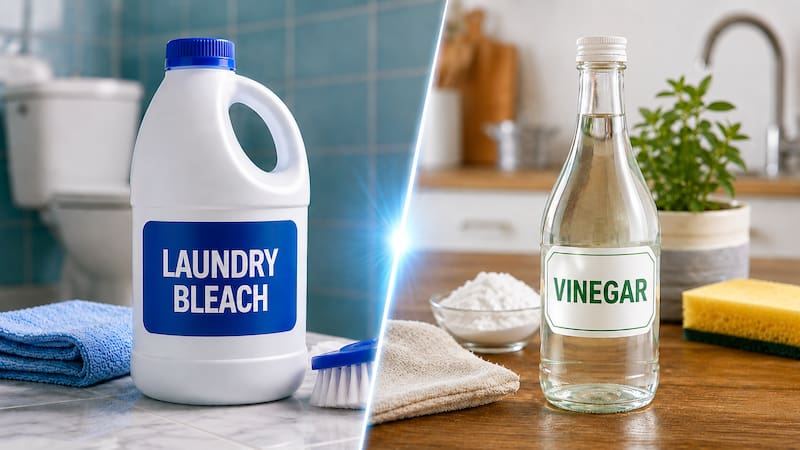
Bleach and white vinegar are two of the most commonly used cleaning products in homes because of their effectiveness, low cost, and versatility. However, although many people consider them interchangeable, the reality is that they serve different purposes, and using them correctly can make all the difference in the final result.
While bleach stands out for its power to disinfect and eliminate microorganisms, white vinegar is one of the preferred home remedies for removing limescale, fighting bad odors, and leaving various surfaces sparkling clean.
So the question arises: what is best to use for cleaning the house, and what do experts recommend?
Bleach or vinegar: which cleans better?
The answer depends on the goal. Specialists agree that neither replaces the other, since they were designed for different tasks.
Bleach, made from sodium hypochlorite, has a great ability to disinfect surfaces, as it eliminates bacteria, viruses, and fungi when used correctly.
White vinegar, on the other hand, contains acetic acid, a compound that helps to dissolve limescale, remove soap residue, eliminate water stains, fight odors, and loosen light grease.
Therefore, although both are useful for household cleaning, each one delivers better results in specific situations.
When experts recommend using bleach
Experts advise using bleach when the main goal is to disinfect areas or surfaces with a higher risk of contamination.
Among its most common uses are:
- Bathrooms, toilets, and bidets.
- Countertops that have been in contact with raw meat, chicken, or fish.
- Kitchen and laundry room floors.
- Trash cans.
- Surfaces that require deep cleaning after illness.
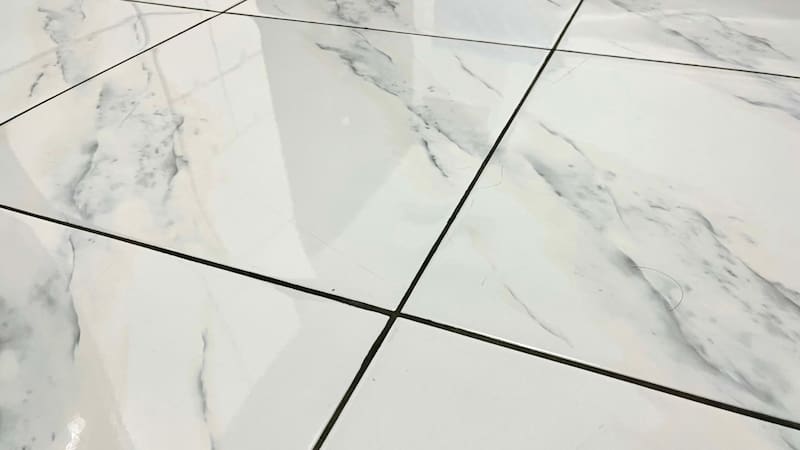
In addition to cleaning, bleach helps eliminate microorganisms that cannot be seen with the naked eye, which is why it remains one of the most recommended products for household hygiene.
When it is best to clean with white vinegar
White vinegar has gained popularity because it makes it possible to carry out many cleaning tasks without needing to use harsher products.
Specialists point out that it is especially useful for:
- Removing limescale from faucets and showers.
- Cleaning glass shower screens.
- Removing water spots from fixtures.
- Polishing glass and mirrors.
- Neutralizing bad odors in the kitchen and refrigerator.
- Cleaning coffee makers and kettles affected by mineral buildup.
In addition, many people use it for everyday maintenance because it leaves little residue and can replace some specific cleaners on certain surfaces.
Which product experts recommend for each task
Experts recommend using the right product according to the type of cleaning needed.
Choose bleach if you need to:
- Disinfect.
- Eliminate bacteria and viruses.
- Sanitize bathrooms or high-touch surfaces.
Choose white vinegar if you want to:
- Remove limescale.
- Eliminate bad odors.
- Clean glass.
- Remove soap residue.
- Keep fixtures and appliances free of mineral buildup.
In other words, bleach is the best alternative for disinfecting, while white vinegar stands out for daily cleaning and removing mineral deposits.
The most dangerous mistake when cleaning with bleach and vinegar
Although both products are very effective on their own, experts warn that they should never be mixed.
The combination of bleach and vinegar creates a chemical reaction that releases chlorine gas, an irritating substance that can cause discomfort in the eyes, throat, and respiratory tract, as well as pose a risk in poorly ventilated spaces.
For that reason, if you want to use both during the same cleaning day, it is important to do so separately, at different times, and rinse the surface well before switching products.