
En esta noticia
When it comes to caring for textiles, there are home tricks that can be used to complement traditional washing routines and solve common problems, such as persistent bad odor in clothing.
The extension service of the University of Georgia lists, along these lines, different mixtures that can be prepared quickly and easily to remove sweat stains with materials that are often found at home. One of them consists of mixing salt with warm water.
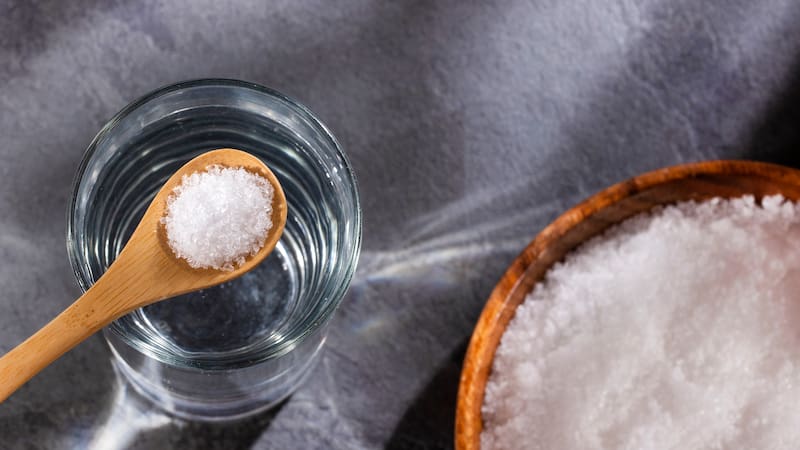
3 tablespoons of salt in 1 liter of warm water: what this mixture is for and why to do it at night
First, the university’s advice for washing clothes and removing sweat odor is to soak the garments in warm water and sodium perborate bleach for 15 to 30 minutes, then wash using the hottest water the fabric can withstand and bleach.
If the sweat odor persists even after washing, dissolving 3 or 4 tablespoons of salt per quart —a U.S. unit that is approximately equivalent to 1 liter— of warm water may be the solution. The institution recommends preparing this mixture at night to make use of the time and leave the smelly garments to soak, which then must be rinsed well in the morning.

Another trick, if the bad odor persists, is to place liquid detergent on the affected area before washing and let it sit.
Important information to consider when washing clothes
The publication also warns about the importance of:
- Always read the garment labels before applying home methods to remove stains.
- Taking great care when combining cleaning products.
- Testing cleaning agents on an inconspicuous area of the garment to determine its resistance.
- Store products according to their recommended instructions.
- Ventilate rooms when using cleaning products.
Other tips for caring for textiles from stains
For its part, the American Cleaning Institute also recommends treating stains immediately and checking after each wash whether any remain, so they can be pretreated quickly and the garment wetted again. Drying can set them permanently.
In addition, it indicates that they should be dabbed with a sponge, never rubbed, since this can spread them and damage the fabric.