
En esta noticia
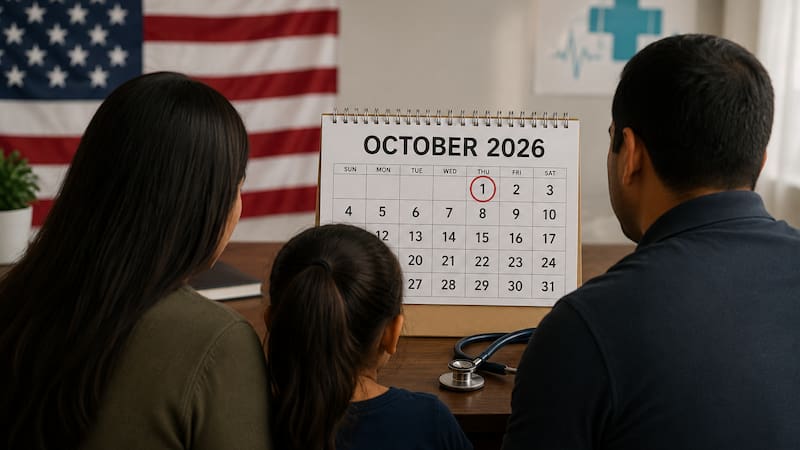
The countdown has already begun. Starting on October 1, 2026, new rules will take effect that will change access to some of the main public health programs in the United States, a measure that will affect thousands of immigrants who currently qualify to receive medical coverage.
Although health care will continue for certain groups, others will no longer be eligible under the new conditions established for these programs.

What changes for immigrants starting on October 1, 2026?
The change affects the federal funding allocated to Medicaid and CHIP, two programs that provide health coverage to millions of people in the United States.
With the new provisions taking effect, not all immigrants with legal presence will continue to qualify to receive these benefits with federal funds. Eligibility will now focus on the categories of immigrants expressly contemplated by current law.
This means that access to coverage will depend, more than ever, on each person’s immigration status and on the category under which they reside in the country.
Who will keep access to Medicaid and CHIP?

The new rules maintain the possibility of accessing these programs for various groups of immigrants who meet the requirements established by federal regulations.
Among them are:
- People with lawful permanent residence (Green Card).
- Citizens of the countries that make up the Compact of Free Association (COFA).
- Certain categories of children and pregnant women when state law allows that coverage.
- Other groups specifically protected by federal regulations.
Each state will continue to verify applicants’ immigration status before approving coverage.

Which immigrants could stop receiving these benefits?
One of the main changes is that some categories of immigrants with legal presence will no longer be eligible to receive coverage funded with federal resources.
The update changes the scope of the funding and requires states to adapt their programs in accordance with the new provisions.
For that reason, specialists recommend that those who currently receive Medicaid or CHIP review their immigration status and consult the state agency responsible for administering these programs to find out whether the change will affect their particular case.