
En esta noticia
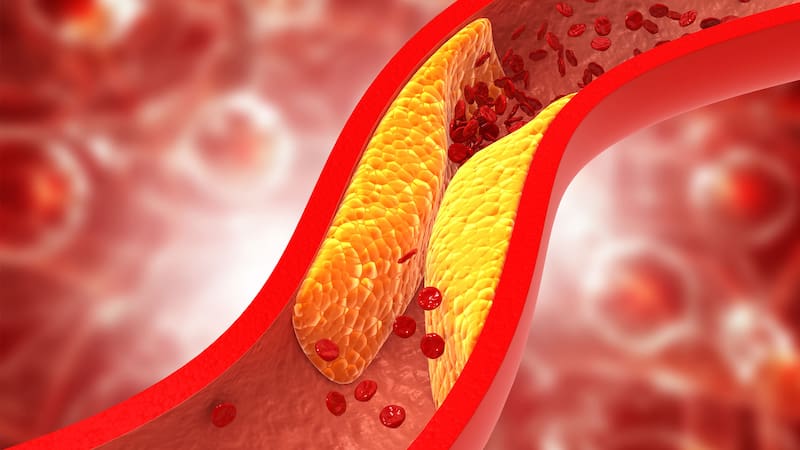
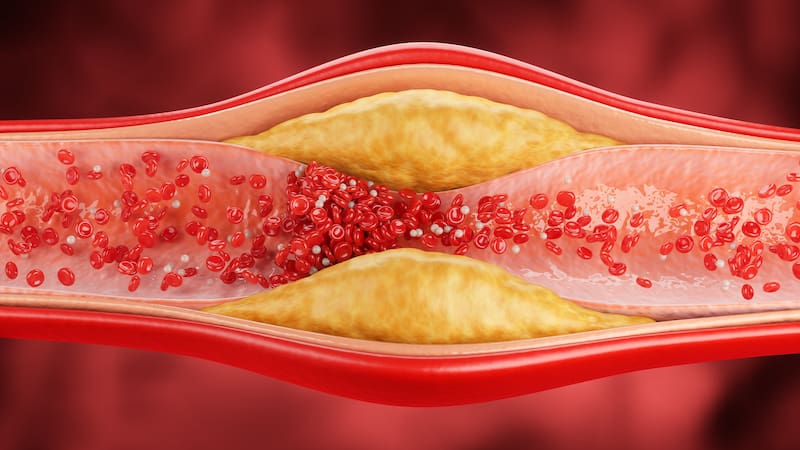
The American Heart Association explains that “bad cholesterol” or LDL is the kind that can build up in the arteries and, over time, narrow them, increasing the risk of cardiovascular problems.
This year, the new guideline from the American Collage of Cardiology/American Heart Association changed the game as far as LDL cholesterol is concerned: a cardiovascular risk calculator was added and the goals were adjusted according to each patient’s risk.
Within the field of health, a common goal is to keep these levels regulated through lifestyle. However, a new study by researchers at Mass General Brigham published on July 20 in JAMA revealed a concerning picture: in the United States, nearly 1 in 3 adults without prior illnesses do not meet the recommended values.
“The gap between where the country’s cholesterol levels actually are and where the new guidelines say they should be is much wider than most people imagine,” the study’s lead author, Shady Abohashem, an instructor of radiology at Harvard Medical School, told Harvard Gazette.

The “bad cholesterol” values changed and the study revealed a clear problem in the United States
The research not only revealed that nearly 1 in 3 adult Americans without disease could not align with the new recommendations, but also showed that 4 in 5 adults who had previously suffered cardiovascular events also did not meet the recommendations.
The problem raised by the research is not limited to values being exceeded, but also shows that not enough is being done to reduce this “bad cholesterol”: among the group that exceeds the values, approximately 3 in 4 people are not in treatment.
In the case of those who had previously had illnesses, around 62% were already receiving treatment, but they were not reaching their goals at their lowest level and the remaining 35% were not treating their cholesterol.
“The new guidelines give us a clearer target than ever. For clinicians, that means reassessing patients against the updated goals. And for the public, the message is simpler: know your LDL number, know your personal goal, and if you do not know either, ask your doctor,” Abohashem says.
How this study was conducted
The researchers analyzed data from around 2,300 adults across the United States who were between 30 and 79 years old and participated in the National Health and Nutrition Examination Survey 2021-2023, which is understood to be representative of 178 million American adults.
The experts explained that the new guidelines indicate that the higher a patient’s cardiovascular risk is, the lower their LDL levels should be.
In the case of adults at low risk, specific goals are not set; instead, the levels at which medication is recommended are indicated, which for adults between 30 and 59 years old at low risk is an LDL of 160 to 189 mg/dL, while when there is high risk the value is 55 mg/dL.

It is important to consider that high cholesterol does not present symptoms, so it is essential to always get all the tests done.
“Heart disease remains one of the leading causes of death in this country,” the experts explain, and in that context, keeping all checkups up to date is the key to early prevention.