

En esta noticia
A lotion made with catnip oil could become an affordable alternative to traditional mosquito repellents after researchers found it performed as well as DEET during field trials in Uganda.
The findings, presented at the Society for Experimental Biology conference in Florence, suggest that the natural product may offer a low-cost solution for communities heavily affected by mosquito-borne diseases such as malaria.

Study finds catnip oil can effectively repel mosquitoes
Catnip (Nepeta cataria) is a plant from the mint family that is best known for the reaction it causes in cats. However, it also contains nepetalactone, a natural compound with insect-repelling properties.
Researchers from Uganda and Wales tested lotions containing different concentrations of catnip oil to evaluate their effectiveness against mosquitoes searching for a blood meal.
Volunteers applied either a lotion containing 6% catnip oil, a 2% catnip formula, a 15% DEET repellent, or a placebo before researchers measured how many mosquitoes landed on their legs during evening hours.
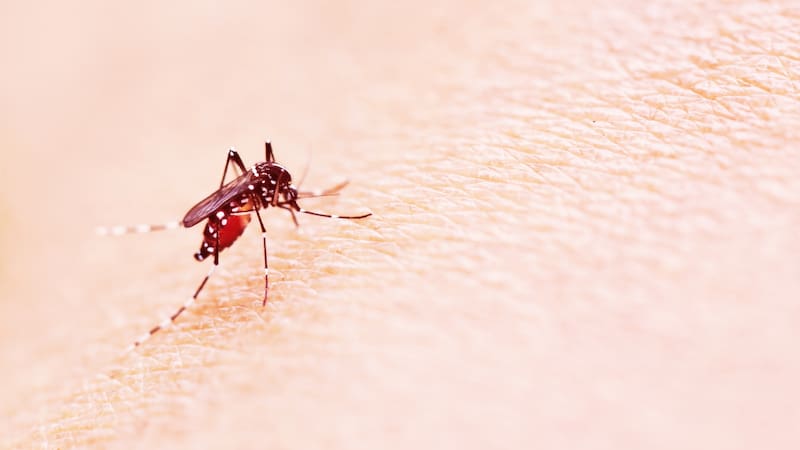
The results showed that the 6% catnip lotion offered protection comparable to DEET, while the 2% catnip lotion performed only slightly below the widely used chemical repellent.
A lower-cost alternative for malaria prevention
Scientists believe one of the greatest advantages of the catnip-based lotion is its affordability.
DEET remains the most commonly used mosquito repellent worldwide, but its price makes it difficult for many families in rural areas of Africa to purchase regularly.
By contrast, catnip can be cultivated locally, allowing communities to produce the oil themselves and manufacture the lotion at a much lower cost.
Researchers say the goal is not only to improve access to mosquito protection but also to create local economic opportunities through community-based production.
Why new mosquito repellents are needed
The research comes as health experts continue searching for additional tools to combat malaria.
According to global health estimates, hundreds of millions of malaria infections occur every year, with the disease continuing to claim hundreds of thousands of lives annually, particularly among young children in sub-Saharan Africa.
Scientists have also expressed concern about increasing resistance to some insecticides and antimalarial medications, making preventive measures even more important.
Although topical mosquito repellents are considered useful, specialists note that they work best when used consistently alongside other mosquito-control strategies, such as insecticide-treated bed nets and environmental control measures.

Researchers plan to expand production
The catnip lotion used in the study has so far been distributed through grant-funded projects, but researchers hope to scale up production in the future.
Their objective is to establish a sustainable model in which local communities grow catnip, extract the oil, manufacture the lotion and sell it at an affordable price, creating both public health benefits and new sources of income.
While additional studies are expected before the product becomes widely available, the early results suggest that a simple plant long associated with household cats could play a much larger role in protecting people from mosquito bites and the diseases they spread.