
En esta noticia
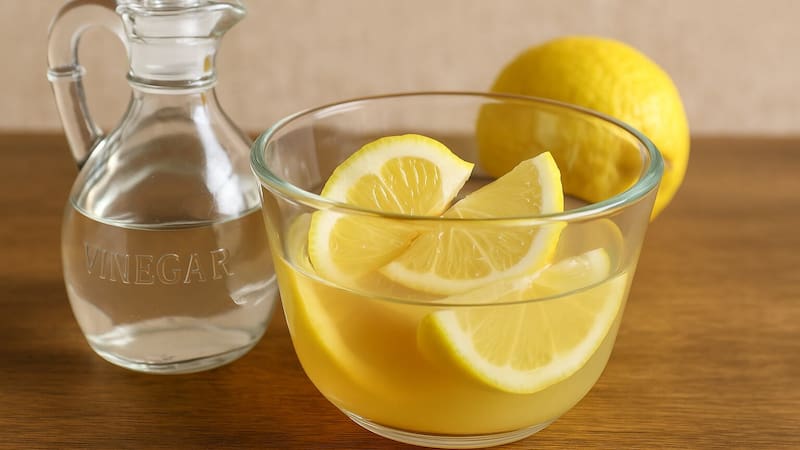
Two common ingredients that anyone could have at home proved capable of acting against one of the most common bacteria in food poisoning. Vinegar and lemon, due to their organic acids and antimicrobial properties, produced surprising results against salmonella.
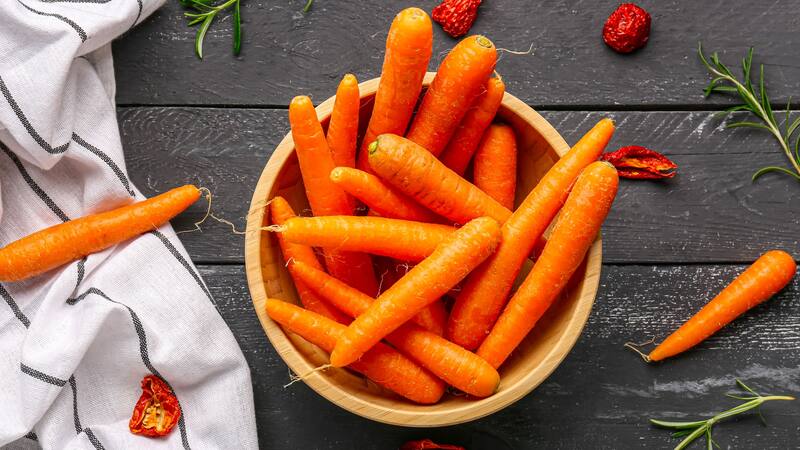
The International Journal of Food Microbiology published a study demonstrating the effectiveness of these ingredients in reducing the presence of Salmonella typhimurium in carrots. The research is published in PubMed, the database linked to the National Institutes of Health (NIH).
Why did they study the mixture of vinegar and lemon juice, according to PubMed?
According to the research published in 2004, the combination of vinegar and lemon juice was studied because of its antimicrobial properties and its ability to reduce the presence of some bacteria in fresh foods, particularly in those that can be eaten raw.
The study evaluated its ability to decrease the presence of Salmonella typhimurium in previously inoculated carrots. The aim was to determine whether its combined application would provide better results than if they were applied separately.
What are the properties of these ingredients?
Both lemon and vinegar contain organic acids that help create an unfavorable environment for the survival of certain microorganisms.
Lemon contains citric acid, while vinegar contains acetic acid. Both make it harder for some bacteria to survive, although their effectiveness depends on factors such as concentration and exposure time.
In the case of Salmonella typhimurium, a greater reduction in the bacterial population was achieved when the combination was used than when they were applied separately.
What did the research show and why is it important?
For the research, carrots cut into small pieces and previously contaminated with the bacteria were used. Afterwards, the samples were immersed in different solutions for periods of 0, 15, 30 and 60 minutes.
The results were as follows:
- Lemon juice: produced reductions of between 0.79 and 3.95 logarithmic units in the amount of bacteria detected.
- Vinegar: achieved reductions of between 1.57 and 3.58 logarithmic units.
- Vinegar and lemon mixture: after 15 minutes, reductions of 4.11 and 5 logarithmic units were observed, depending on the experimental conditions.
- After 30 minutes: the mixture reduced the bacteria to levels that could not be detected by the method used by the researchers.
According to this, under the conditions studied, the combination proved more effective than its application separately.
This finding is important because it made it possible to identify the potential of these organic acids to reduce bacterial contamination in fresh vegetables.
Can it be done at home?
The research does not establish a validated home procedure for disinfecting fruits and vegetables, since the researchers prepared a solution containing equal parts fresh lemon juice and pasteurized grape vinegar.
However, regarding this, the United States Food and Drug Administration (FDA) recommends following certain measures:
- Wash fruits and vegetables with plenty of running water before consuming, cutting, or peeling them.
- Gently rub the surface during washing.
- Use a clean brush.
- Dry the food.
- Avoid using cleaning chemicals.