
En esta noticia
Hydrogen peroxide is often found in household cleaning routines, particularly when people are looking for an alternative to traditional disinfectants. But how effective is it really?
Scientific research suggests that the answer depends largely on the concentration of hydrogen peroxide, the microorganism being targeted and how long the surface remains in contact with the solution.
A study published in the Journal of Food Protection tested several household products against three foodborne pathogens: Listeria monocytogenes, Escherichia coli O157 and Salmonella Typhimurium.
Researchers tested hydrogen peroxide at concentrations of 1.5% and 3%, along with vinegar, baking soda, bleach and other household compounds.

What science says about hydrogen peroxide as a disinfectant
The study found that 3% hydrogen peroxide produced a greater than 5-log reduction in both Salmonella Typhimurium and E. coli O157 after one minute at 25°C. A 5-log reduction corresponds to a reduction of 99.999% in the number of microorganisms under the conditions of the test.
However, the results were not identical for all three pathogens. Listeria monocytogenes was more resistant to the tested household compounds, and greater reductions were observed when the hydrogen peroxide treatment lasted 10 minutes at an initial temperature of 55°C.
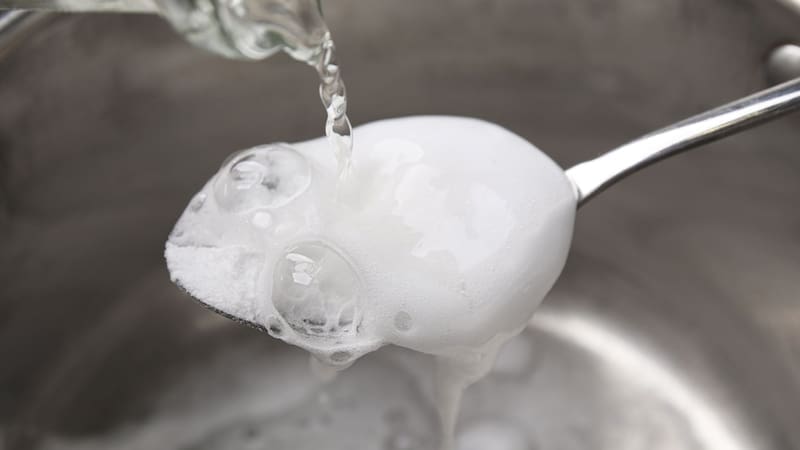
The researchers compared the effectiveness of the products and found that, among the substances tested, household bleach was more effective than 3% hydrogen peroxide, followed by undiluted vinegar and other acidic compounds. Baking soda showed the lowest effectiveness against the pathogens tested.
The findings therefore suggest that hydrogen peroxide can have meaningful antimicrobial activity, but its effectiveness cannot be generalized to every type of bacteria or every household cleaning situation.
The CDC also recognizes hydrogen peroxide as a disinfectant
The Centers for Disease Control and Prevention (CDC) lists hydrogen peroxide among chemical disinfectants with documented germicidal activity. According to the agency, hydrogen peroxide has bactericidal, virucidal, sporicidal and fungicidal properties and is active against a wide range of microorganisms.
The CDC explains that hydrogen peroxide works by producing destructive hydroxyl free radicals that can damage cell membranes, DNA and other essential components of microorganisms. The agency also notes that commercially available 3% hydrogen peroxide is a stable and effective disinfectant when used on inanimate surfaces.

The concentration and contact time are important. CDC-reviewed research found that a 0.5% accelerated hydrogen peroxide formulation demonstrated bactericidal and virucidal activity within one minute and mycobactericidal and fungicidal activity within five minutes. Other studies cited by the agency found different exposure times depending on the concentration and microorganism involved.
This means that simply applying hydrogen peroxide to a surface and immediately wiping it away may not produce the same disinfecting effect observed in laboratory tests. The product’s concentration and the required contact time matter.