
En esta noticia
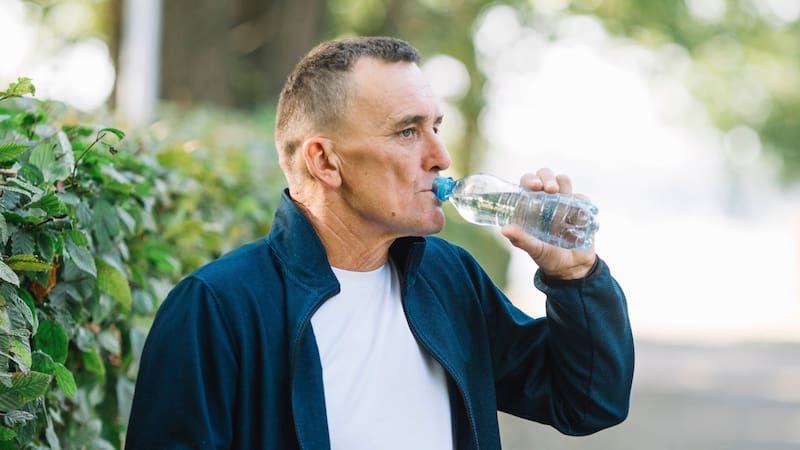
High blood pressure is one of the most common chronic conditions in adults and one of the main cardiovascular risk factors. In that scenario, something as everyday as drinking water can become a key tool for improving blood pressure control and protecting the heart.
The relationship between hydration and blood pressure is no coincidence: fluid balance directly affects blood volume, the heart’s work, and kidney function. But how much water should a person with high blood pressure really drink?

How much water should a person with hypertension drink?
In general terms, the recommendation for healthy adults is around 1.5 to 2 liters of water per day, although this figure may change when hypertension is present.
The requirement depends on several factors:
- Age
- Body weight
- Physical activity level
- Ambient temperature
- Presence of illnesses such as kidney or heart failure
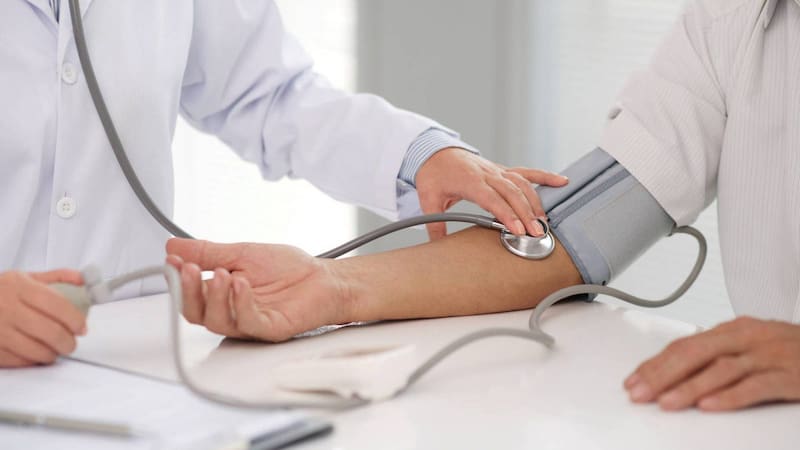
For most hypertensive patients without associated complications, staying close to two liters per day of plain water is usually a safe guideline. However, personalized medical advice is essential, since not all bodies respond the same way.
How hydration influences blood pressure
Maintaining proper daily hydration promotes circulation and helps the kidneys eliminate excess sodium through urine. This point is key, since sodium is one of the main causes of increased blood pressure.
When the body does not receive enough water:
- Blood volume decreases.
- The heart must work harder to pump.
- Hormonal mechanisms are activated that can favor sodium retention.
The result may be greater loss of control of blood pressure, especially in people who already have a diagnosis of hypertension.
Not too much and not too little: the limits of water consumption
Although it is often believed that “more water is better,” this is not always true. In patients with heart failure or advanced kidney disease, excess fluids can cause overload, edema, and additional complications. That is why balance is key.
The quality of what is drunk also matters. For proper cardiovascular care, it is recommended to prioritize:
- Drinking water
- Avoiding sugary drinks
- Limiting alcohol and caffeine
Industrial beverages with high sugar content can contribute to overweight, another factor that negatively affects heart health.
Warning signs of dehydration
Among the most common symptoms are:
- Intense thirst
- Dry mouth
- Dark or scant urine
- Dizziness or weakness
- Headache
If these signs appear, it is important to increase fluid intake and consult a professional if the discomfort persists.