
En esta noticia
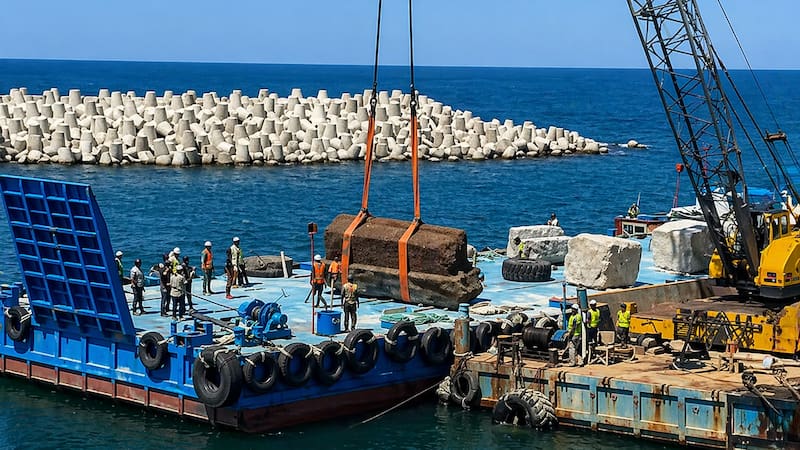
An amazing new discovery related to the legendary Lighthouse of Alexandria, one of the seven wonders of the Ancient World, managed to complete new chapters of its history: 22 monumental blocks that remained submerged for more than 1,600 years under the Mediterranean Sea were recovered.
This find represents a key advance for the reconstruction of one of the most impressive works of antiquity, which had lain in ruins for centuries.

They found one of the seven wonders of the world: the history of this monument
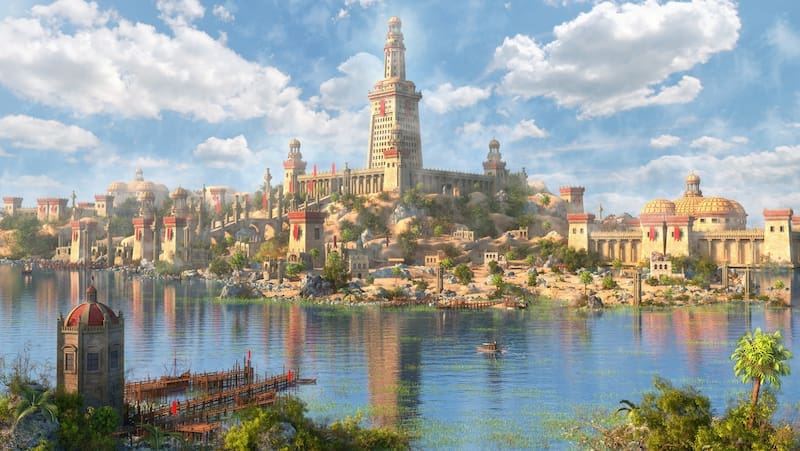
At the beginning of the 3rd century BC, this lighthouse reached about 100 meters in height and its function was to guide Mediterranean sailors. After centuries of deterioration, the monument was abandoned in 1,303 and fell into ruins, although many of its stones were later reused to build the Qaitbay fortress.
In that context, and 30 years after the first submerged finds from the lighthouse, a joint mission between French and Egyptian teams managed to recover some of the most imposing elements so far.
They found pieces of one of the seven wonders: what the experts managed to recover
The researchers extracted various blocks of great historical and architectural value, including
- Lintels and jambs of the monumental entrance
- Large slabs from the base
- The lighthouse threshold
- Parts of a gate pylonoid combining ancient styles
These findings are part of the PHAROS program, which aims to create a new digital lighthouse that imitates this icon.

The scientific project to digitally reconstruct this wonder
The team, led by archaeologist Isabelle Hairy from the National Center for Scientific Research (CNRS) will analyze and scan each block in three dimensions.
“The aim of this exceptional and spectacular operation is to study and scan these architectural elements to add them to the approximately one hundred blocks already digitized underwater over the last 10 years,” says the CNRS.
The goal is to create an identical but digitized piece that will allow the structure to be reconstructed and details of its history to be known that remain unknown so far, encouraging new generations to learn about this construction.