
En esta noticia
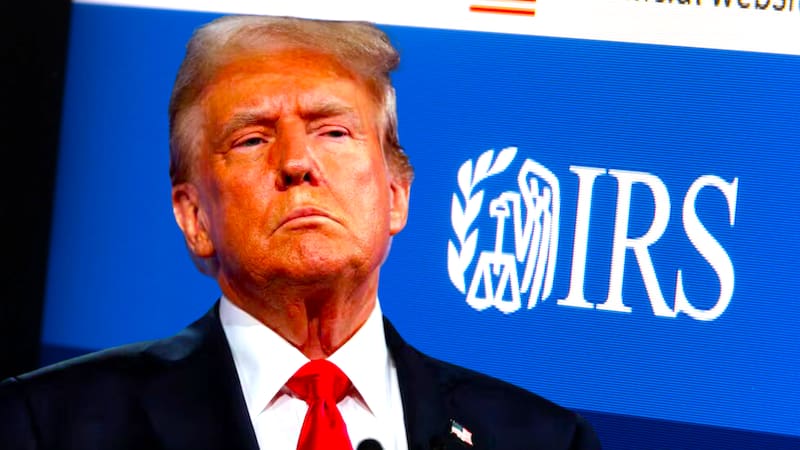
The Internal Revenue Service (IRS) was barred from auditing, investigating, or seizing assets from President Donald Trump, his family, and his companies under a court agreement signed this week by the Department of Justice.
The deal states that the tax agency will be “forever barred” from reviewing any tax return or pending filing related to the beneficiaries, a restriction that does not exist for any other U.S. citizen.
The agreement stems from a lawsuit Trump filed against the IRS in January for $10 billion, after his tax records were leaked to the media in 2019.

Rather than being resolved with a financial settlement, the litigation resulted in a tax shield of historic scope, signed by acting Attorney General Todd Blanche and ratified by the agency.
Who does the IRS agreement protect?
The deal extends its protections beyond Trump as an individual. According to the one-page document published by the Department of Justice, the covered individuals and entities include:
- Donald Trump and his spouse
- His immediate family members and those who file joint returns with him
- His trusts, companies, affiliates, and subsidiaries

The restriction applies to returns already filed before the agreement was signed on May 19, and prevents any audit of “matters currently pending.” An additional clause prohibits investigations stemming from what the text calls “lawfare” or “weaponization,” a term vague enough that tax experts warn that it could be used to block any future review.
The agreement would also eliminate the IRS internal policy — in place since 1977 and included in the agency manual — that requires automatic audits of all sitting presidents and vice presidents.
What does this agreement mean for the U.S. tax system?
The deal represents the most direct intervention by a president in the tax oversight mechanisms in the country’s recent history. Tax law specialists described the scope of the agreement as unprecedented: no U.S. taxpayer, regardless of their situation, has equivalent protection from the IRS.

Can the agreement be challenged?
The legal validity of the deal is in doubt for at least two reasons:
- The IRS executive director, Frank Bisignano, signed the document in a position created without Senate confirmation, which could invalidate his signature.
- A 1998 law expressly prohibits the White House from interfering in tax audits.
Democratic lawmakers have already announced that they will challenge the agreement and demanded that the administration preserve all internal documents related to the case.
From the Senate, Senator Ron Wyden said his party would “fight every element” of the deal, while analysts warn that, if Democrats regain the majority in the November midterm elections, the review of Trump’s returns will return to the center of the political debate.