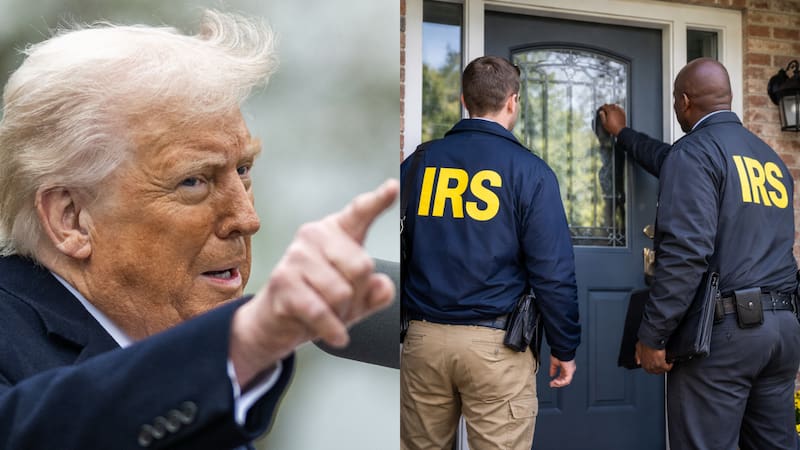

En esta noticia
The Internal Revenue Service (IRS) of the United States specifies on its official website in which cases its agents can visit a taxpayer’s home or business and when this action may be carried out without prior notice.
It also details the protocol that all taxpayers can follow to ensure the visit is legitimate and protect themselves against any fraud.

IRS home visits: in which cases they can be carried out
According to the agency, federal agents can visit a taxpayer’s home or business under the following circumstances:
- Revenue agents: a prior notice is always sent. In these cases, officers can review records to verify that all income has been reported correctly.
- Revenue officers: the agency also makes prior contact before the visit. The officials are directly involved in the collection process and explain to each taxpayer the risks of not paying on time. If attempts to make contact are not answered, the visit may still take place.
- Special agents: their visits are carried out without prior notice and always form part of investigations related to tax crimes.
- Fuel inspectors: they only visit regulated industrial sites where taxable fuel is produced.
How to protect yourself from fraud in IRS visits
According to the authorities, both revenue officers and revenue agents and fuel inspectors must present an IRS credential and an HSPD-12 Card. In both cases, they have the agent’s serial number and photo.
In the case of criminal investigation agents, they must present police credentials as required.

“If the person does not show you these documents or you are not sure about them, call the number that appears on the card provided by the officer or Treasury agent,” the agency explains.