

En esta noticia
Tax enforcement in the United States can intensify rapidly when a taxpayer fails to comply with their essential obligations. Failure to file a tax return is one of the main factors that can trigger penalties, which could directly impact assets.
The Internal Revenue Service (IRS) has warned that cases of taxpayers who did not file their return and have accumulated tax debts may lead to increasingly severe collection measures, including the seizure of bank accounts and assets.

The offense that triggers the harshest mandatory collection actions by the IRS
Failure to file a tax return is not only an administrative violation, but also has the potential to generate a tax liability calculated by the IRS itself. In these circumstances:
This could rapidly worsen the taxpayer’s situation and contribute to the crime of tax evasion.
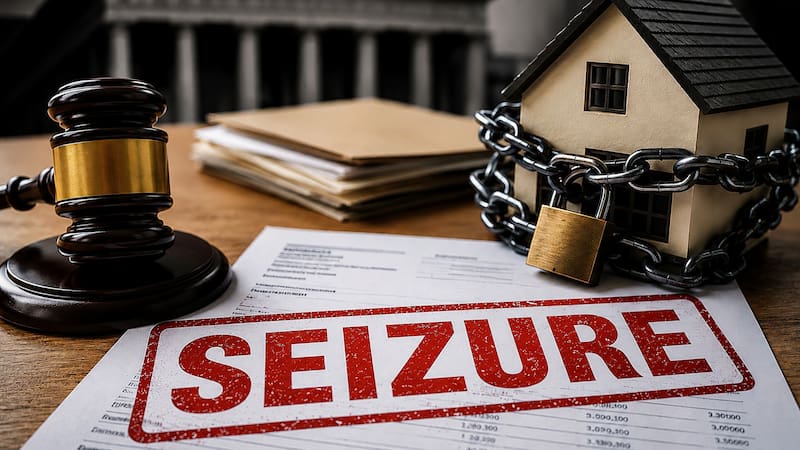
They empty the accounts and seize the assets that are included in this registry
If the taxpayer has not filed their return, has active tax debts, and has not responded to notices, the IRS may proceed with collection actions that include:
- Freezing of bank accounts
- Seizure of wages
- Intervention on properties and vehicles
The purpose is the direct recovery of the debt.