En esta noticia
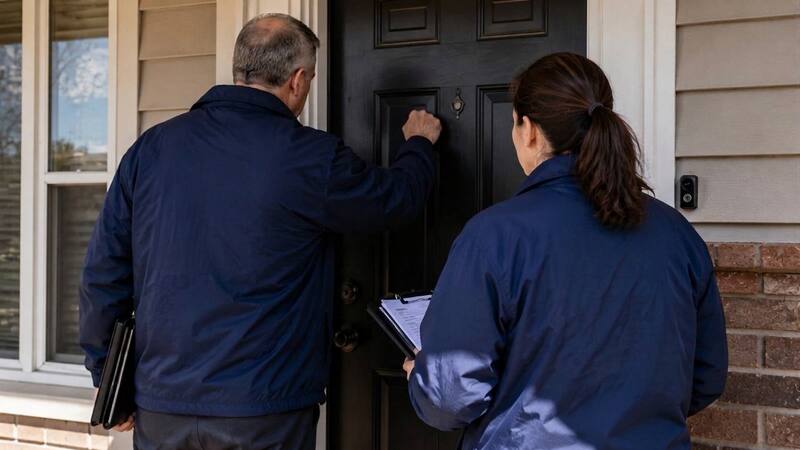
The U.S. Social Security Administration (SSA) tightened its controls over certain pension and assistance program beneficiaries. According to the information released about the procedure, the agency may send administrative staff and investigators to homes to verify that recipients continue to meet the requirements to receive their payments.
The measure mainly aims to detect inconsistencies in the declared data, unreported changes of address, differences in income, or possible improper payments. However, this does not mean that all retirees, pensioners, or subsidy beneficiaries will receive a visit at home.
Who could receive a visit from the SSA?
The checks mentioned are especially focused on people who receive benefits such as:
- Supplemental Security Income (SSI) is intended for people with limited income and resources.
- Social Security Disability Insurance (SSDI) is aimed at workers who meet the disability requirements.
- Other benefits whose continuity depends on the personal, economic, medical, or residency situation of the recipient.
Verifications can be triggered when the SSA detects differences between the recorded information and the data available in its systems. Reviews related to eligibility, the beneficiary’s survival, or an updated address may also exist.
For that reason, those who receive these payments must keep their data updated and report any change that could affect their right to the benefit.
Why does the government carry out door-to-door checks
The purpose of these inspections is to verify that payments go to people who truly meet the conditions established by law. Among the reasons that could trigger a review are:
- Differences between declared income and recorded income.
- Address changes that were not reported.
- Changes in the composition of the household.
- Doubts about the beneficiary’s financial resources.
- Possible payments made in the name of deceased people.
- Suspicions of identity theft.
- Changes in the medical or work situation of a person receiving disability benefits.
During a visit, the official could try to confirm that the recipient lives at the declared address and that they maintain the conditions that justify the benefit payment.
What documents may be requested
For an eligibility review, beneficiaries may need documentation that allows their identity, address, and income to be verified.
Among the papers that could be required are:
- Official photo ID, such as a driver’s license or passport.
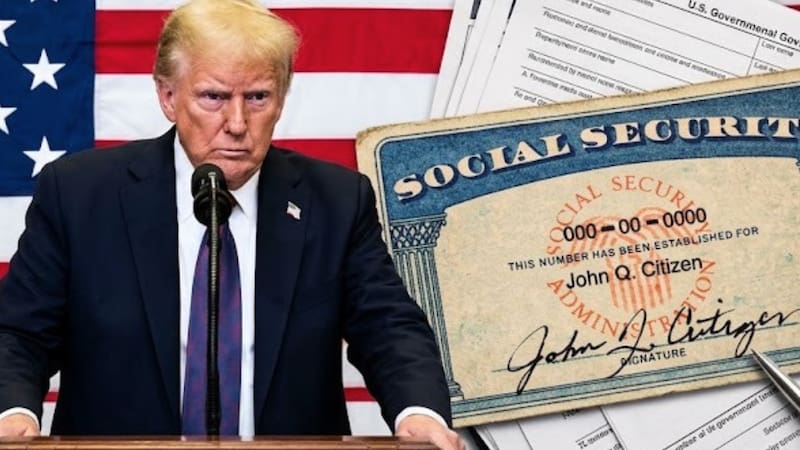
- Social Security card.
- Recent utility bills.
- Rental contract or proof of residence.
- Bank statements.
- Pay stubs or proof of other income.
- Information on other benefits received.
- Updated medical documentation in cases related to SSDI.
The exact documentation may vary depending on the program, the reason for the review, and each beneficiary’s situation. For that reason, not all people will have to present the same proof.
How to know whether the inspector really belongs to the SSA
Home visits can also be used by scammers to obtain money or personal information. For that reason, it is important to verify the identity of anyone who presents themselves as a Social Security representative.
Before providing information, the beneficiary may request:
- The official’s full name.
- Their official identification.
- The agency they belong to.
- The specific reason for the visit.
- An official phone number to confirm the procedure.
If in doubt, it is recommended not to hand over original documents or banking information and to contact the SSA directly through its official channels.
The agency should not demand cash payments, money transfers, or gift cards to keep a benefit. A request of that kind may be a sign of fraud.
Does the visit mean the benefit will be lost?
Not necessarily. A review does not automatically imply the suspension or elimination of a pension or subsidy. The purpose of the check is to verify whether the person continues to meet the requirements.
However, if the SSA detects incorrect information, undeclared income, unreported changes, or a lack of documentation, it could request clarifications and assess whether the payment should be modified, suspended, or canceled.
Beneficiaries must respond within the deadlines indicated in the official communications and keep copies of the documents sent.