

En esta noticia
When a debt with the treasury remains unresolved for a period of time, the process stops being administrative and moves into direct action. In the United States, ignoring final notices can trigger measures that immediately affect the taxpayer’s money and assets.
The Internal Revenue Service (IRS), through the Automated Collection System (ACS), can move forward with levies if the taxpayer does not respond to the Final Notice of Intent to Levy.

The IRS notice that absolutely no one should ignore
Before carrying out a levy, the IRS sends the Final Notice of Intent to Levy. Through this key notification, the agency informs:
- Details of the outstanding debt
- The up to 30 days deadline to respond or regularize
This is the last notice before collection measures are activated.
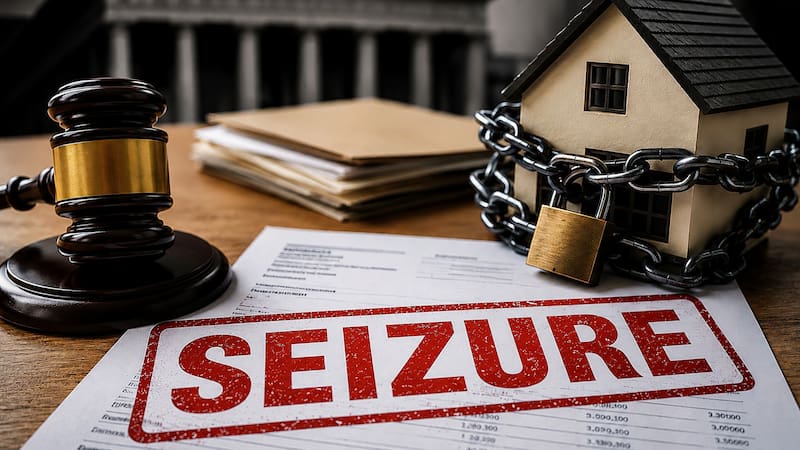
IRS automatically seizes everyone who delayed this procedure
If the taxpayer ignores this final notice or does not respond within the established deadlines:
- The case moves to the active collection system (ACS)
- The levy is authorized without further warnings
- The room for negotiation is drastically reduced
The lack of response speeds up the process.

IRS immediately seizes all of these assets one by one
Through ACS, the IRS can apply:
- Levy of bank accounts
- Withholding of wages (wage garnishment)
- Intervention on property and assets