

En esta noticia
The global financial elite is moving its money out of the dollar. 60% of family offices—private funds that manage the wealth of the richest families in the world—plan strategic changes to their portfolios this year, twice the average of the past five years, according to UBS’s annual report.
The signal is clear: large private fortunes are betting less on the United States.
When the financial elite repositions assets on this scale, it usually anticipates changes in the value of the dollar, markets, and rates. North America is the only region where these entities plan to reduce exposure. Latin America, Africa, and emerging markets are the chosen destinations.

What risks do the world’s richest families see in the dollar?
Two-thirds of family offices expect confidence in the dollar as a reserve currency to decline. Nearly half acknowledge being overexposed, and more than a quarter plan to actively reduce that position. The reasons: geopolitical uncertainty, trade war, growing debt, and volatility in U.S. economic policies.
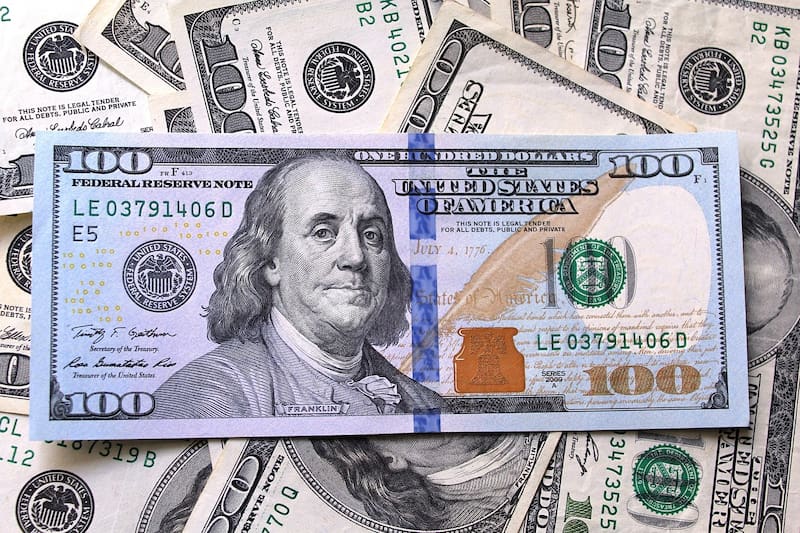
The Swiss franc and the euro are the alternative currencies that these entities prioritize. For retail investors, that preference is a useful reference when assessing which currencies to diversify savings into.

Where is the global financial elite’s money going?
The dominant strategy is called jurisdictional diversification: distributing assets across multiple countries to reduce concentrated risk. Two-thirds of family offices already operate in at least three jurisdictions; nearly a third in four or more, including Latin America, Europe, Asia, and the Middle East.
The assets gaining ground are emerging-market equities, infrastructure, and gold. For those looking to protect savings in a context of a weakened dollar, the move by these large funds offers a roadmap: less concentration in one currency, more geographic diversification, and greater exposure to real assets.