
En esta noticia
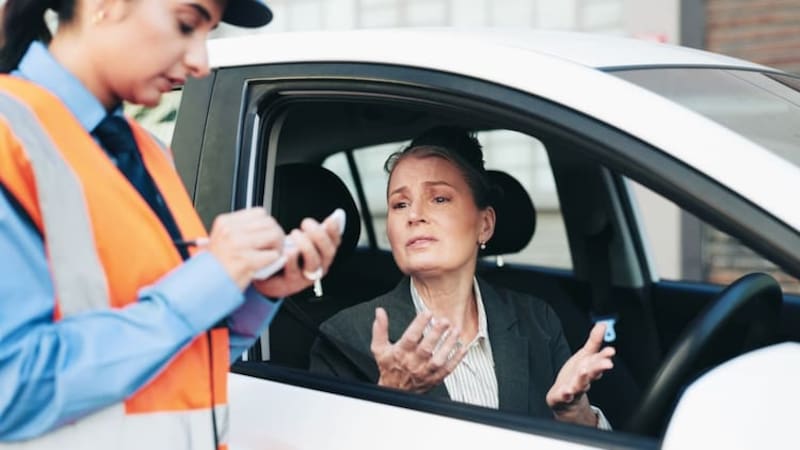
In the state of California, the state government has the ability to seize and suspend the driver’s license of any person who has not paid a court judgment linked to a traffic accident.
The Department of Motor Vehicles (DMV) of the state has the authority to carry out that suspension at the creditor’s request, once the debt remains unpaid after the court ruling.
This applies to judgments issued for accidents that occurred on California roads and highways. If the debtor does not make the payment within the established deadlines after the judgment becomes final, the creditor can begin the process with the DMV to suspend the responsible party’s license.
The process is available for both small claims court cases and broader civil proceedings.

California: what happens to the driver’s license if the judgment is not paid
The length of the driver’s license suspension depends on the amount owed.
In these cases, for debts of up to u$s 1,000, the license can be suspended for up to 90 days, but only for the direct driver —not the registered owner of the vehicle— and only if the debt has been unpaid for more than 90 days since the judgment became final.
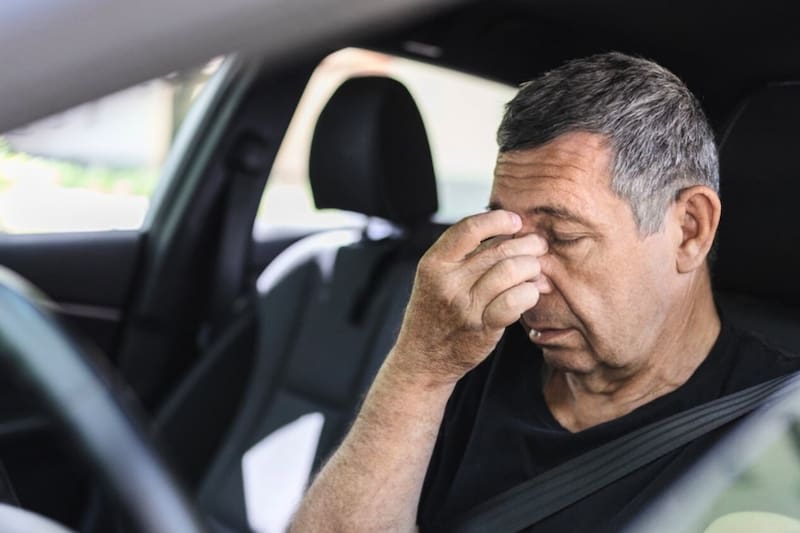
If the judgment exceeds u$s 1,000 and still remains unpaid 30 days after becoming final, the DMV may suspend the license of both the driver and the registered owner of the vehicle for a period of up to six years.
In that case, some exceptions apply that should be consulted with a small claim’s advisor.
Start the process and recover the driver’s license
To activate the suspension, the creditor must complete the corresponding form —DL 17 for debts of u$s 1,000 or less, or DL 30 for larger amounts—, certify it before the court and send it to the DMV along with a certified copy of the ruling and payment of the fee.
The forms are available on the official DMV website: dmv.ca.gov, or at any DMV office.

Anyone whose license has been suspended can recover it in two ways:
- Pay the debt in full, obtain a certified copy of the satisfaction of judgment (Satisfaction of Judgment) and send it to the DMV.
- Ask the judge for an installment payment plan, present a certified court order, the insurer’s SR-22 form, and pay the reissuance fee to the DMV.
The debtor must also prove that they have current liability insurance so that the DMV can reissue the license.