

En esta noticia
Many Americans wonder whether reaching age 65 means they no longer have to pay taxes on their Social Security benefits. However, there is no specific age when Social Security automatically becomes tax-free.
The Internal Revenue Service (IRS) determines whether benefits are taxable based on a person’s income, not their age. Depending on their total income, some retirees may have to include part of their Social Security payments as taxable income.
Social Security Taxes Depend on Income, Not Age
Social Security benefits can become subject to federal income tax when a beneficiary’s combined income exceeds certain limits set by the IRS.
For individual filers, benefits may be taxed when combined income is above $25,000, while married couples filing jointly may face taxes when their income exceeds $32,000. Depending on income levels, up to 85% of Social Security benefits may become taxable.
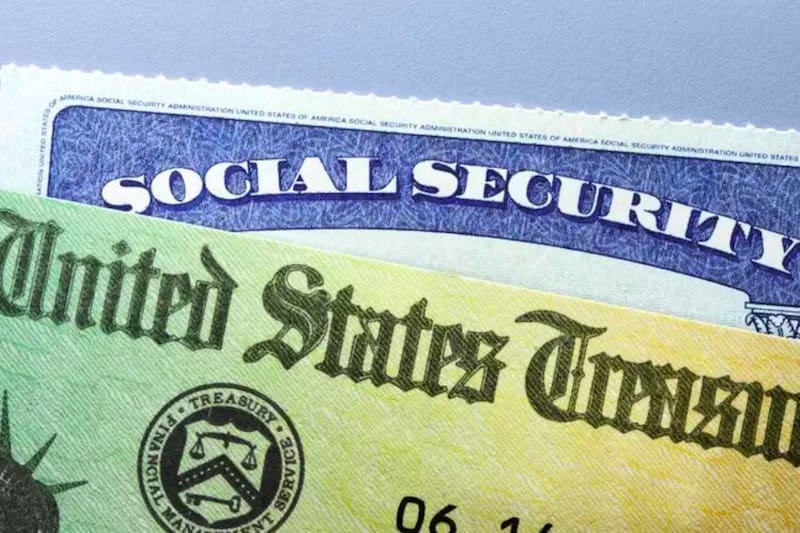
The tax does not mean retirees pay a separate Social Security tax. Instead, part of their benefits may be counted as income when calculating their federal income tax.
New $6,000 Deduction Could Reduce Taxes for Seniors
A new deduction created under the 2025 Republican tax law allows eligible adults age 65 and older to reduce their taxable income by up to $6,000. Married couples who qualify may receive a larger deduction.
The deduction does not eliminate federal taxes on Social Security benefits. Instead, it lowers the amount of income used to calculate taxes, which could help some seniors avoid having part of their benefits taxed.
According to an analysis from the White House Council of Economic Advisers, around 12% of seniors age 65 and older are expected to pay federal taxes on their Social Security benefits after the deduction is applied.
The key factor remains income, meaning retirees with higher earnings may still owe federal taxes on a portion of their Social Security payments regardless of their age