
En esta noticia
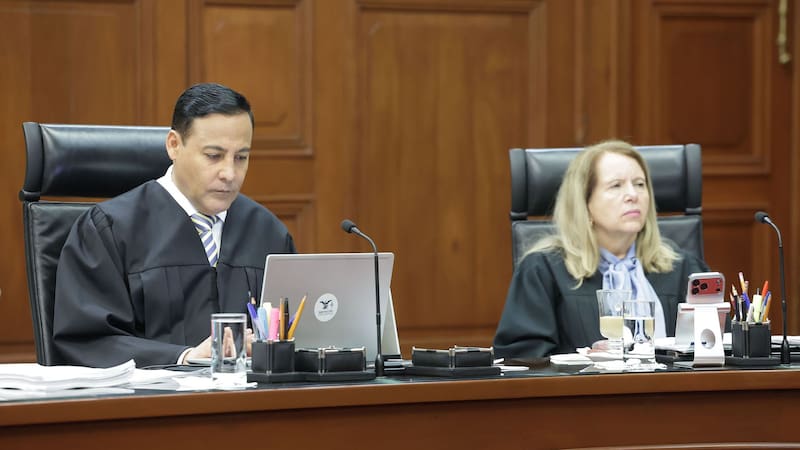
The Supreme Court of Justice of the Nation of Mexico (SCJN) ruled that adults may seek retroactive payment of child support their parents failed to provide during their childhood.
The precedent was set in Amparo Directo en Revisión 1388/2016, decided by the First Chamber on Feb. 1, 2017.
The ruling, written by then-Justice Arturo Zaldívar Lelo de Larrea, made clear that the right to support during childhood does not lose enforceability when the child turns 18. Therefore, reaching the age of majority does not prevent someone from seeking payment for support obligations that were not met during that period.


What did the Supreme Court rule on child support for adults?
The First Chamber said a distinction must be made between the period protected by the right to support and the point at which compliance can be demanded. In this case, the protection covers needs that arose during minority, but the claim may be brought later.
The ruling says: “A distinction must be made between the scope of protection of the right (support during minority) and the point at which that right may be enforced (at any time).” On that basis, the Court found no justification to prevent an adult from claiming the amounts owed to them as a minor and that were not paid by the parent.
The ruling also explained that the support obligation arises from the parent-child relationship and that the court’s recognition of paternity does not create that right, but rather recognizes a relationship that already existed.
What must a judge consider when setting the amount of retroactive support?
The SCJN clarified that recognizing the right to seek payment does not mean all adults automatically receive a set amount. The amount must be determined through a judicial review of the specific circumstances of the case.
To calculate it, the judge must consider several factors, including:
- Knowledge of the pregnancy or birth: whether the parent knew of the child’s existence and since when.
- Good or bad faith: how the father acted during the paternity and support proceedings.
- Reasons for noncompliance: it is up to the parent to show whether there were justified reasons to be excused from the obligation.
- Financial capacity: the support debtor’s resources must also be taken into account in setting the amount.
The ruling modified the appealed decision and sent the case back to the Collegiate Court so it could determine the amount of retroactive support under those criteria.
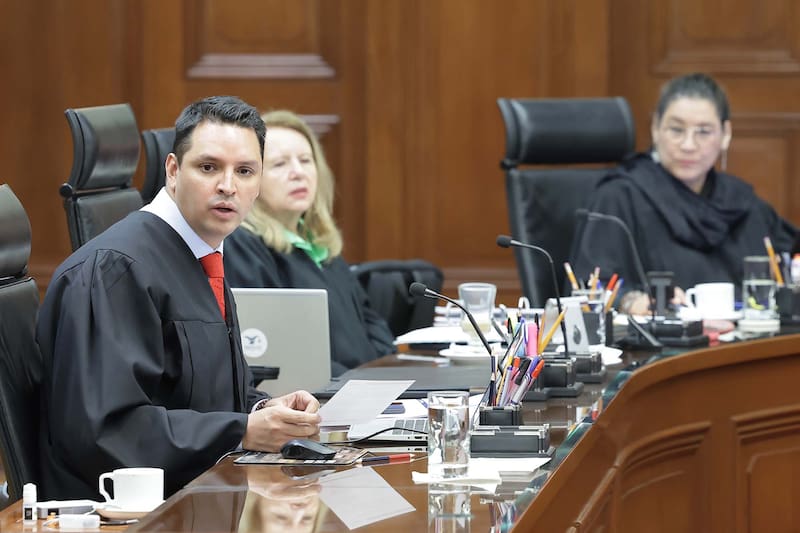
The Amparo Directo en Revisión 1388/2016 was approved by a three-justice majority: Arturo Zaldívar Lelo de Larrea, Alfredo Gutiérrez Ortiz Mena and Norma Lucía Piña Hernández.
Justices José Ramón Cossío Díaz and Jorge Mario Pardo Rebolledo voted against it.