
En esta noticia
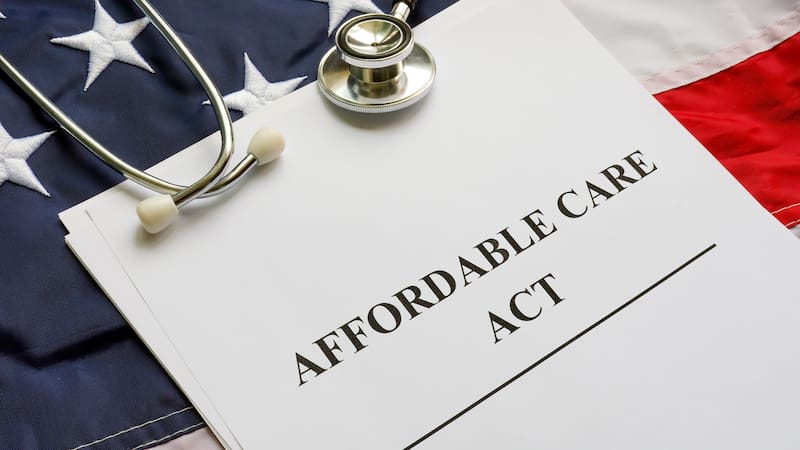
People enrolled in the Affordable Care Act (ACA), also known as Obamacare, will begin receiving a $500 refund as part of a new measure announced by the United States Government.
The payment is aimed at certain enrollees who purchased health coverage through the federal marketplace and paid the full cost of their premiums without receiving financial assistance.
What is the Affordable Care Act, and how does it work?
The ACA allows people who do not have health insurance to obtain coverage through the Health Insurance Marketplace. In states that use this system, enrollment is done through HealthCare.gov.
Depending on income and household composition, enrollees can access a premium tax credit, which reduces the monthly amount they have to pay for their insurance. On the other hand, some users pay the full cost because they do not receive this assistance.

When and why are $500 refunds received?
On September 10, the current administration announced a one-time $500 refund per person for nearly one million ACA enrollees. The checks will begin to be sent starting in October 2026.
According to the Government, during the previous administration, user fees were charged linked to the operation of the federal marketplace, which generated a surplus above the operational needs of HealthCare.gov. For that reason, it was decided to return part of those funds to certain consumers who paid their premiums without receiving assistance.
The payment is not a new ACA tax credit or a refund obtained when filing a tax return
What are the eligibility requirements?
According to the official information, the refund is aimed at people who:
- We’re covered through the ACA insurance marketplace.
- Paid the full cost of their premiums without receiving premium assistance.
- We’re enrolled through the federal marketplace and not through a separate state marketplace.
- Lived in one of the 30 states included in the program.
It is estimated that about 950,000 people will be reached by the “Working Families Obamacare Refunds” program.
The states included are Alabama, Alaska, Arizona, Arkansas, Delaware, Florida, Hawaii, Indiana, Iowa, Kansas, Louisiana, Michigan, Mississippi, Missouri, Montana, Nebraska, New Hampshire, North Carolina, North Dakota, Ohio, Oklahoma, Oregon, South Carolina, South Dakota, Tennessee, Texas, Utah, West Virginia, Wisconsin, and Wyoming.