
En esta noticia
The passport is one of the most valuable documents for anyone traveling abroad. Losing it, damaging it, or having an issue with its information can complicate the entry into another country and even ruin the entire itinerary.
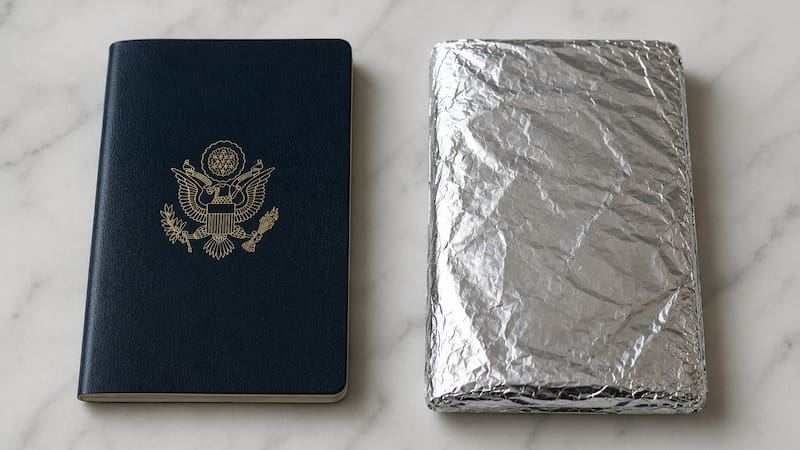
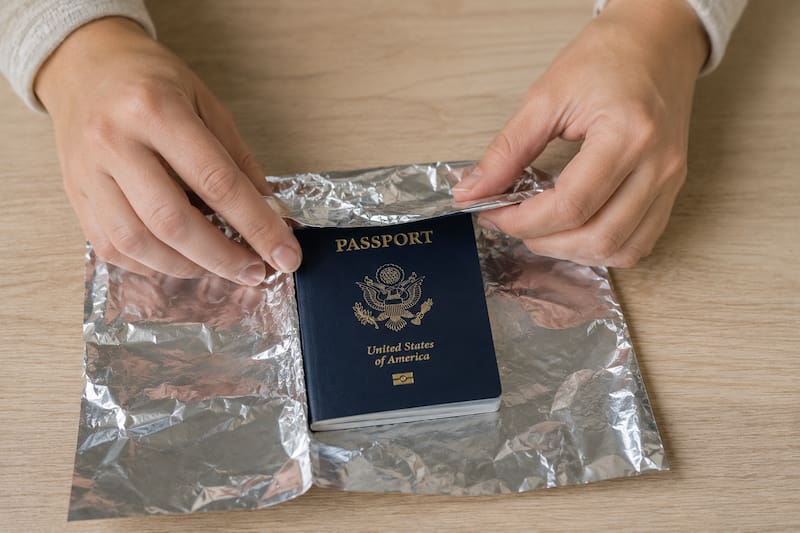
In that context, a trick as striking as it is simple has started to become popular: wrapping the passport in aluminum foil.

What is wrapping the passport in aluminum foil for?
Many modern passports incorporate an RFID chip (Radio Frequency Identification), which stores biometric information and the holder’s personal data to speed up immigration checks.
It is recommended to use an additional physical barrier to reduce the risk that unauthorized devices try to read the chip information from close range.
In that context, aluminum foil can act as a material that makes it difficult for radio waves to transmit, offering additional protection while the document remains stored.
What risks does this trick help avoid?
Although cases of illegal passport reading are rare, some cybersecurity experts maintain that aluminum can help reduce certain risks during a trip.
Among them are:
- Reducing the possibility of unauthorized readings of the RFID chip.
- Adding an extra layer of privacy to personal data.
- Preventing the passport from remaining constantly exposed when carried in bags or backpacks.
- Complementing other security measures during international travel.
It is not an official requirement or an obligation imposed by immigration authorities, but rather a preventive measure that some travelers choose to adopt.

Do all passports have an RFID chip?
No. Most biometric passports issued in recent years do incorporate an electronic chip, although its implementation depends on the issuing country and the document’s date of issue.
This chip contains information used by immigration authorities to verify the traveler’s identity during border checks and speed up the entry process.