
En esta noticia
The biometric passports have an electronic chip that stores all the holder’s basic information, such as their photograph and some personal data, with the aim of speeding up immigration checks and strengthening security.
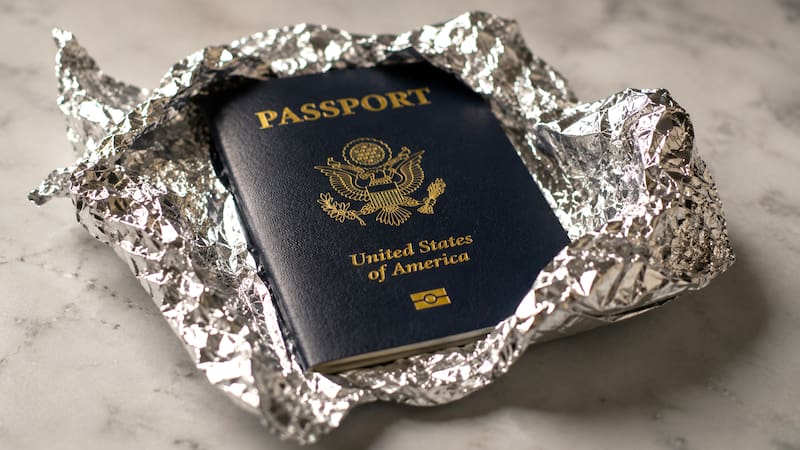
That is why tricks such as wrapping it in aluminum foil to protect the information from possible unauthorized reading attempts arise. The operation of this method is explained through the RFID technology present in these documents.

What is wrapping the passport in aluminum foil for?
The goal is to prevent third parties from being able to remotely read the information stored in the RFID chip of the biometric passport using specialized devices.
It works like a Faraday cage, which means that it creates a barrier that blocks electromagnetic waves and makes it difficult for an RFID reader to communicate with the chip.
In this way, the risk is reduced that criminals can gain unauthorized access to data such as the name, photograph, or date of birth of the holder in crowded places such as airports or stations.
Is it recommended to wrap the passport in aluminum foil?
Although this method can serve that purpose, specialists warn that it is not the most convenient or durable solution, since the aluminum can tear easily and lose its blocking ability if any part of the passport becomes exposed.
For this reason, many experts recommend using RFID-blocking sleeves specifically designed to prevent the chip from being read without the need to resort to aluminum foil.

These sleeves are usually more resistant and can protect both bank cards and documents with this radiofrequency identification technology.