
En esta noticia
Water is essential for the body’s functioning and is vital for good health.
However, there is a question that is repeated in millions of households: what kind of water is best to drink every day?
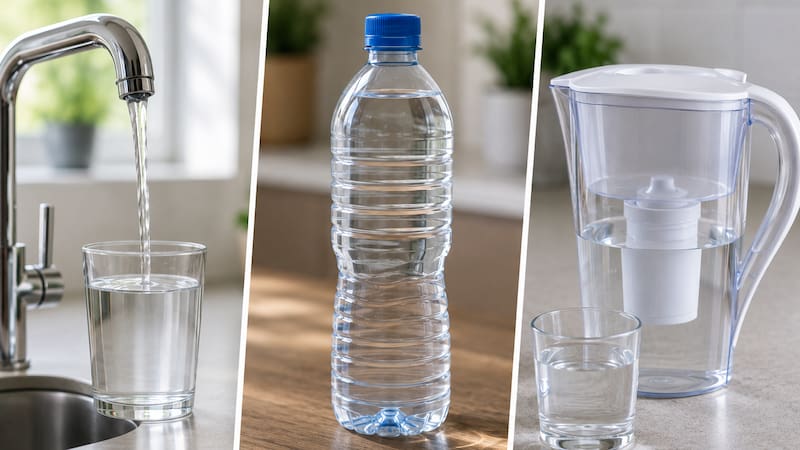
While some people prefer bottled water, others choose to install filters in their homes or simply drink what comes out of the tap. Each option has advantages and limitations that are worth knowing before consuming it.
What water is recommended for drinking every day?
In general terms, tap water is the best option for daily consumption as long as it comes from a drinking water network that meets the health controls established by the authorities.
Unlike bottled water, various studies have detected the presence of microplastics in many commercial bottles.
Although scientists continue investigating the possible effects of these particles on health, more and more experts recommend reducing bottled water consumption when there is a safe alternative from the public network.
When is it advisable to choose filtered water?
Not all water networks offer the same conditions. In some regions, infrastructure problems, old pipes, or contamination events may occur that affect the quality of drinking water.
In those cases, before consuming water directly from the tap, it is important to check official reports on the quality of the supply.
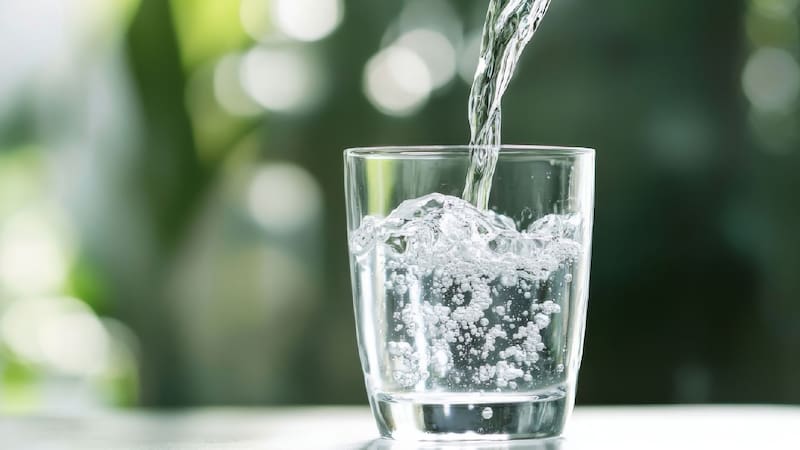
If there are doubts about its safety or risks to the population are detected, filtered water becomes a recommended alternative, as long as the filtration system is adequate and receives the corresponding maintenance.
So, can bottled water be drunk?
Yes, bottled water can be consumed, but specialists consider that it should not become the first option when there is access to a safe drinking water network.
For that reason, bottled water is usually reserved for specific situations, such as travel, emergencies, or regions where the drinking water network does not meet the necessary sanitary conditions. In those cases, it is a practical alternative until a safe water source is available.