

En esta noticia
Many citizens and residents of the United States do not know it, but there is a situation that can leave them without a passport from one moment to the next, and prevent them from leaving the country or renewing the document.
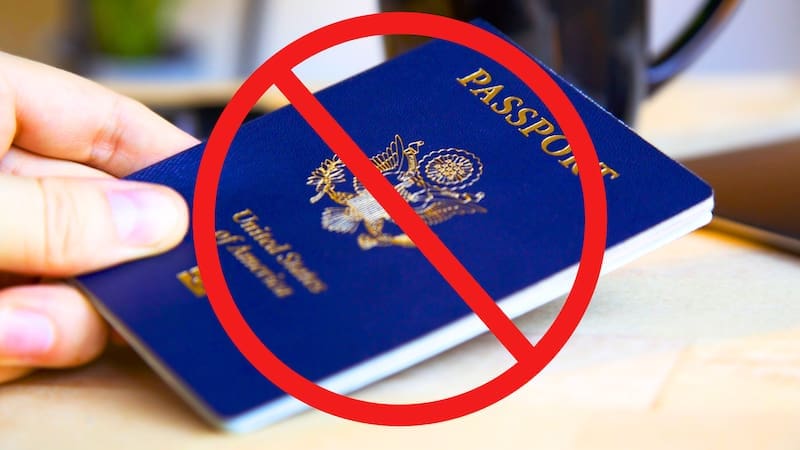
The Government has the authority to deny, not renew, or even revoke the passport of those who are in a specific condition with the tax authorities.

The Government will review case by case: which passports can be taken away?
The tool is aimed at taxpayers who have a tax debt classified as “seriously delinquent”. In 2026, that threshold is approximately 66,000 dollars, a figure that is adjusted each year for inflation and includes taxes, penalties, and accrued interest.
The measure comes from the FAST Act, a 2015 law that authorized the IRS to coordinate with the State Department the denial or revocation of passports of major tax debtors. In other words, it has been in force for years, although many taxpayers are unaware of it.
How the process works
It is worth clarifying how it is actually applied, because it is not an immediate seizure or a levy on the document. The mechanism has two steps:
- The IRS certifies the debt: when a taxpayer exceeds the threshold, the IRS informs (certifies) that debt to the State Department.
- The State Department acts on the passport: from that certification, it generally does not issue or renew the person’s passport, and in certain cases it can revoke one that is already valid.
In practice, the most common effect is that the debtor cannot process or renew their passport while the debt remains certified. The revocation of an already issued document is a measure that exists, but it is applied with more discretion.