
En esta noticia
They traveled through the Himalayas in search of a spiritual experience at Mount Kailash, one of the most revered religious sites in Asia. Instead, their pilgrimage was interrupted by a catastrophic disaster that struck the border region between Nepal and Tibet.
The devastating floods and landslides left hundreds of people dead and thousands missing, including pilgrims and foreign travelers who had been making their way toward or away from the sacred mountain.

A pilgrimage to one of the Himalayas’ holiest mountains
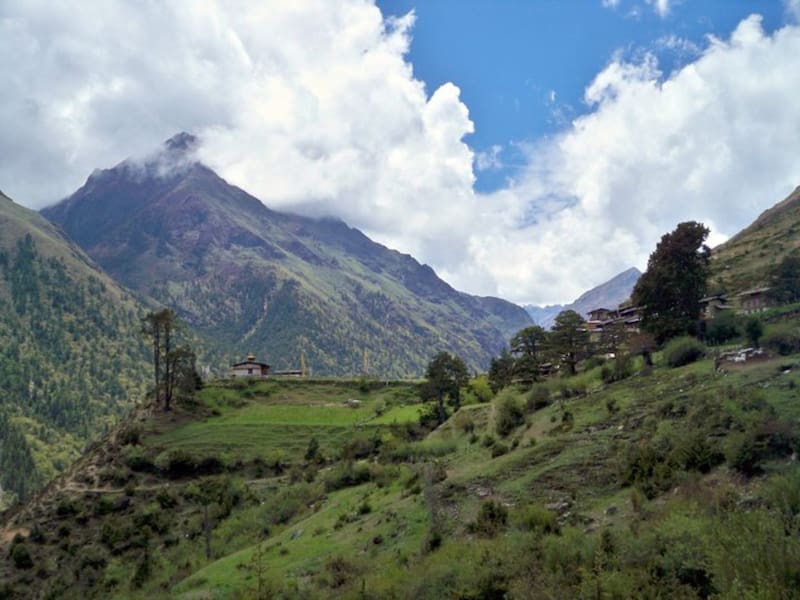
Mount Kailash rises more than 6,400 meters (21,000 feet) in southwestern Tibet, close to the borders with Nepal and India. The mountain is considered sacred by Hindus, Buddhists, Jains and followers of the Tibetan Bon tradition, although each religion has its own beliefs surrounding the site.
For many pilgrims, the journey is not about reaching the summit. Instead, they complete a roughly 33-mile (53-kilometer) circuit around the mountain, a ritual believed to have powerful spiritual significance.
Hindus and Buddhists traditionally travel around Kailash clockwise, while followers of Bon move in the opposite direction. Completing the journey can take several days and is associated with purification, blessings and spiritual transformation.
When the disaster struck
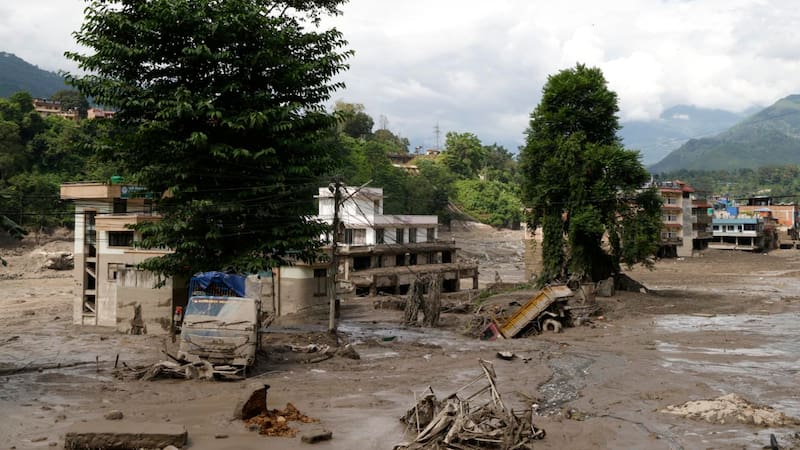
The pilgrimage route became the scene of a deadly disaster on August 26, when a glacial collapse triggered a massive flow of water, mud, rocks and debris across parts of the Nepal-Tibet border region.
The flooding destroyed roads, bridges, buildings and other infrastructure, cutting off some of the main routes used by travelers heading toward the border. Rescue teams faced enormous challenges because of the mountainous terrain and damaged transportation links.
Some pilgrims were traveling in organized groups when the disaster struck. Others were tourists or travelers who had been making their way through Nepal before continuing toward Tibet.
Hundreds of pilgrims were among those missing
The disaster affected travelers from several countries. Authorities and tour operators reported that numerous foreign nationals were among the missing, including people from India, the United States, Australia, Britain and Canada.
At least two groups totaling around 130 people were near the Gyirong border crossing between Nepal and China when the floods hit, according to information cited by The New York Times.
The scale of the disaster continued to grow as rescue operations progressed. Reports said thousands of people were missing across Nepal and Tibet, while emergency teams searched damaged areas and evacuated survivors.

Why Mount Kailash attracts pilgrims from around the world
For centuries, Mount Kailash has attracted people seeking religious fulfillment in one of the world’s most remote landscapes.
In Hindu tradition, the mountain is regarded as the home of Shiva, while Buddhists associate it with profound spiritual beliefs and the concept of Mount Meru, the center of the universe. Jain traditions connect the region with one of their early prophets, while the Bon tradition considers it a source of spiritual power.
Nearby Lake Manasarovar is also considered sacred and forms part of the wider pilgrimage landscape.
The remoteness of the area makes the journey physically demanding, but that difficulty is itself part of the pilgrimage experience for many visitors.
A spiritual journey transformed into a rescue operation
What began as a journey for faith, purification and spiritual renewal suddenly became a fight for survival.
Pilgrims who had traveled thousands of miles to reach one of the world’s most sacred mountains found themselves caught in a disaster that destroyed roads and isolated entire communities. Families around the world were left waiting for information about relatives who had traveled to the Himalayas for what was supposed to be a deeply meaningful religious journey.
As rescue efforts continued, the disaster highlighted the vulnerability of the region’s pilgrimage and tourism routes to extreme weather and sudden geological events.
For the people who traveled to Mount Kailash seeking the divine, the pilgrimage became something entirely different: an unexpected struggle to survive one of the worst disasters to hit the Himalayan region in years.