
En esta noticia
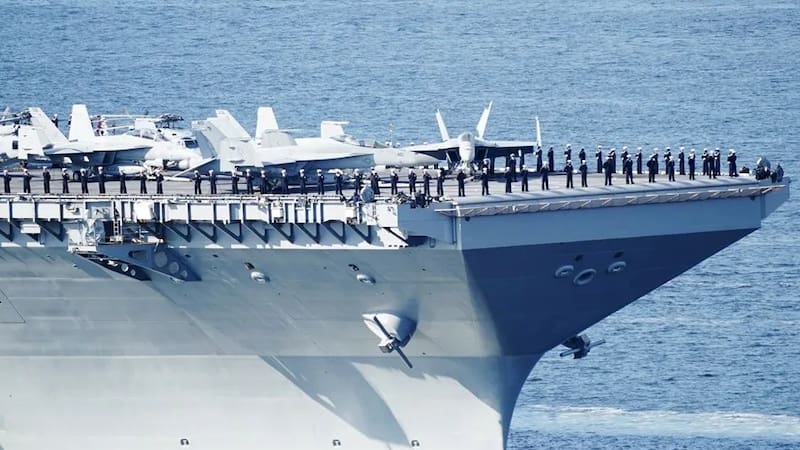
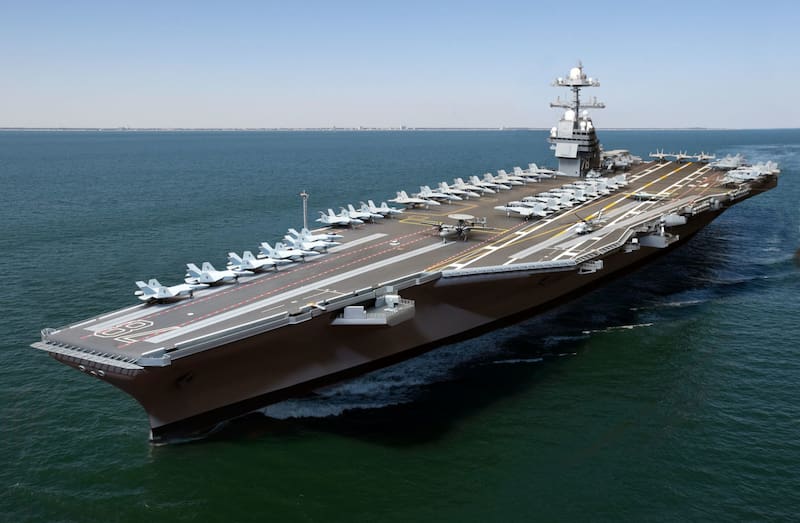
The nuclear aircraft carrier USS Gerald R. Ford, the largest in the world, will have an unprecedented mission this summer: it will provide electricity to Naval Station Norfolk in Virginia, operating as a floating nuclear power plant from the harbor.
Confirmation came from Acting Secretary of the Navy Hung Cao on May 14 before the House Armed Services Committee. The Navy said the goal is to demonstrate the carrier’s ability to cover critical energy needs in emergencies at coastal installations.

What does the unprecedented mission of the USS Gerald R. Ford mean?
The Ford is the only carrier of its class in active service and is based in Norfolk. Its two A1B nuclear reactors generate an estimated combined output of 1,400 thermal megawatts, enough to supply a large-scale military base.
The test responds to a specific concern: bases and facilities once considered inaccessible are now vulnerable to long-range attacks, cyberattacks on the power grid, and natural disasters. Ensuring energy supply in those scenarios is a priority for operational continuity.
What else could the aircraft carrier provide?
Secretary Cao said the ship’s technology would also allow it to produce drinking water at scale, expanding its usefulness in humanitarian emergencies.
How does this test affect military bases and communities?
If the demonstration is successful, Ford-class carriers could fulfill a backup power role in two key scenarios:
- Conflicts or infrastructure attacks: emergency electricity for bases that lose access to the grid.
- Natural disasters: restoration of essential services, such as medical care, in affected areas. Several critical bases are located in high-risk climate areas.

It would not be the first time in history: in 1929, the USS Lexington supplied electricity to Tacoma, Washington, during a crisis in the local hydroelectric system.
The test, however, raises operational questions. Aircraft carriers are high-value assets, and keeping them idle in port exposes them to greater vulnerability. With a fleet of only 11 carriers and growing operational demand, the Navy will assess case by case whether assigning one to electricity-generation tasks is feasible.