

En esta noticia
Thousands of immigrants currently have medical coverage through Medicaid and could lose it as a result of the changes included in the law known as “One Big Beautiful Bill”, promoted by Republicans and passed by Congress in 2025.
The legislation provides for cuts of more than US$900 billion in Medicaid through 2034, a program jointly funded by the federal and state governments that provides health coverage mainly to low-income people and certain groups with disabilities.
Who do they want to leave without Medicaid coverage?
Starting this October 1, 2026, the law restricts access to Medicaid and CHIP for several groups of immigrants who are legally in the United States.
Those who may lose coverage include refugees or asylees who have not yet obtained a Green Card, victims of human trafficking, and some immigrants who collaborated with the U.S. Armed Forces in Afghanistan.
Who has the possibility of accessing coverage?
People who meet the program requirements and are:
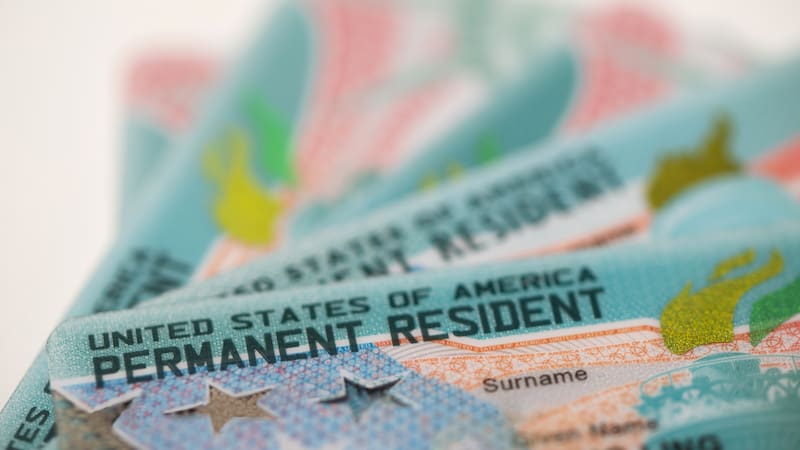
- Permanent residents with a Green Card.
- Immigrants of Cuban or Haitian origin.
- People from countries included in the Compacts of Free Association (COFA).
- Children and pregnant women who legally reside in the country, in states that allow it.

What does the One Big Beautiful Bill Act say?
The One Big Beautiful Bill was enacted on July 4, 2025 and introduced a series of changes to Medicaid, intended to reduce the program’s federal spending by more than US$900 billion through 2034.
These are immigration restrictions and, starting in 2027, changes to work requirements for certain adults. As for immigration matters, as of October 1, 2026, eligibility for Medicaid and CHIP is limited and other groups beyond those previously named are excluded from federal funding.
States can still use their own funds to maintain medical assistance for those who lose federal eligibility. California, New York, and other states already have state programs or measures aimed at partially covering that gap.
How many legal immigrants could be left without health insurance?
According to the Congressional Budget Office (CBO), it is estimated that the new restrictions would initially affect at least 100,000 additional people.
On the other hand, the data collected by the states show that the impact is potentially greater. Nine states and the District of Columbia identified more than 281,000 immigrants who could lose Medicaid by October 2026.
Which states are most affected by this measure?
Among the states that have already reported concrete estimates, Florida has the largest number of affected people with about 177,000 immigrants who could cease to qualify for Medicaid.
They are followed by:
- California: around 148,000, although the state allocated US$365 million to maintain alternative coverage through July 2027.
- North Carolina: approximately 29,000.
- Arizona: about 28,000.
- New Jersey: between 15,000 and 25,000.
- Washington: around 11,000.
New York and Pennsylvania also have coverage funded with state funds for some of the immigrants affected by the federal change.