

En esta noticia
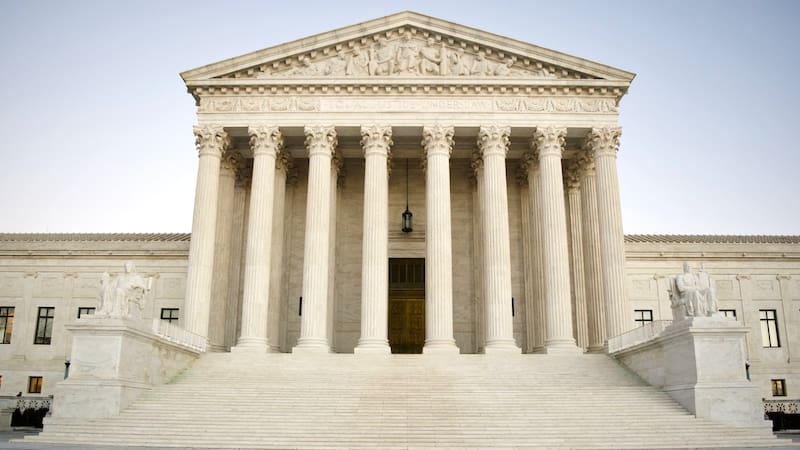
The United States Supreme Court confirmed that states have the authority to ban transgender women from participating in girls’ sports teams in publicly funded schools and universities. The ruling, announced on June 30, resolves two key cases: Little v. Hecox and West Virginia v. B.P.J.
The decision was written by Justice Brett Kavanaugh, who spent years coaching school girls’ basketball teams, including those of his own daughters. The measure adds to laws already in force in about half of the states in the country and that until now had faced legal challenges.
What did the Supreme Court determine about trans athletes in schools?
The ruling covers two different situations: varsity-level college competition and high school sports. In both cases, the Court upheld states’ ability to exclude trans women from female categories when there is a local law establishing that.
This decision comes a year after the same court upheld laws that ban doctors from providing gender-affirming treatment to minors. Since then, 25 states have already banned or criminalized that type of medical care for minors.
At this time, the ruling applies to:
- High school sports in public schools.
- Varsity-level college competitions.
- States that already have their own laws on the matter (about half the country).
How does this decision affect athletes and schools in the United States?
The ruling does not create a single federal ban, but rather provides constitutional backing for the state laws already in place. In practice, this means that public schools in states with these rules can enforce them without fear that lower courts will overturn them.
The debate remains split: supporters of the restrictions argue that they aim to preserve fairness in women’s competition, while opponents maintain that this is a form of discrimination that violates equality before the law.
At the same time, some states are already promoting bills to extend similar restrictions to gender-related medical care for adults.